








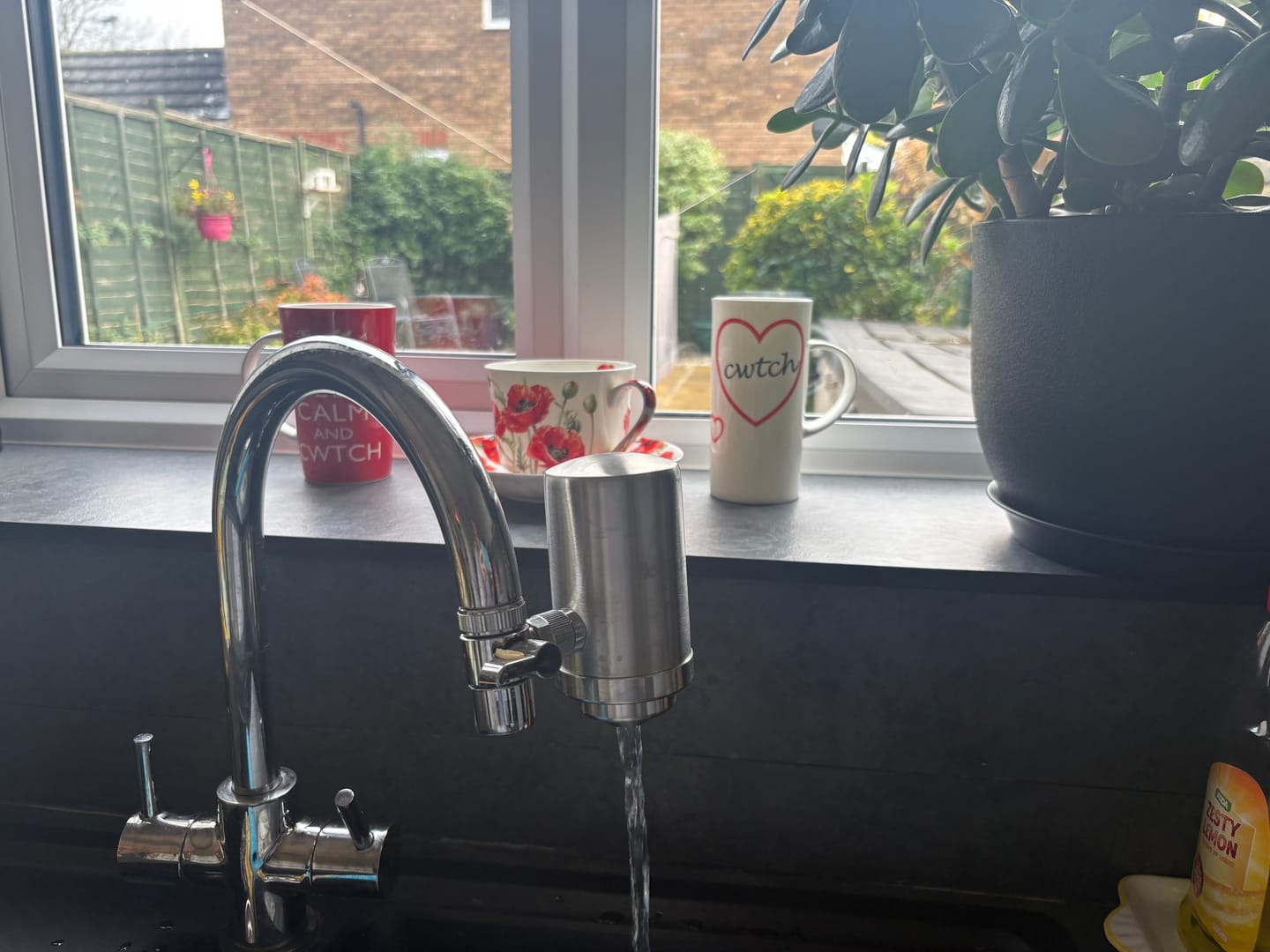
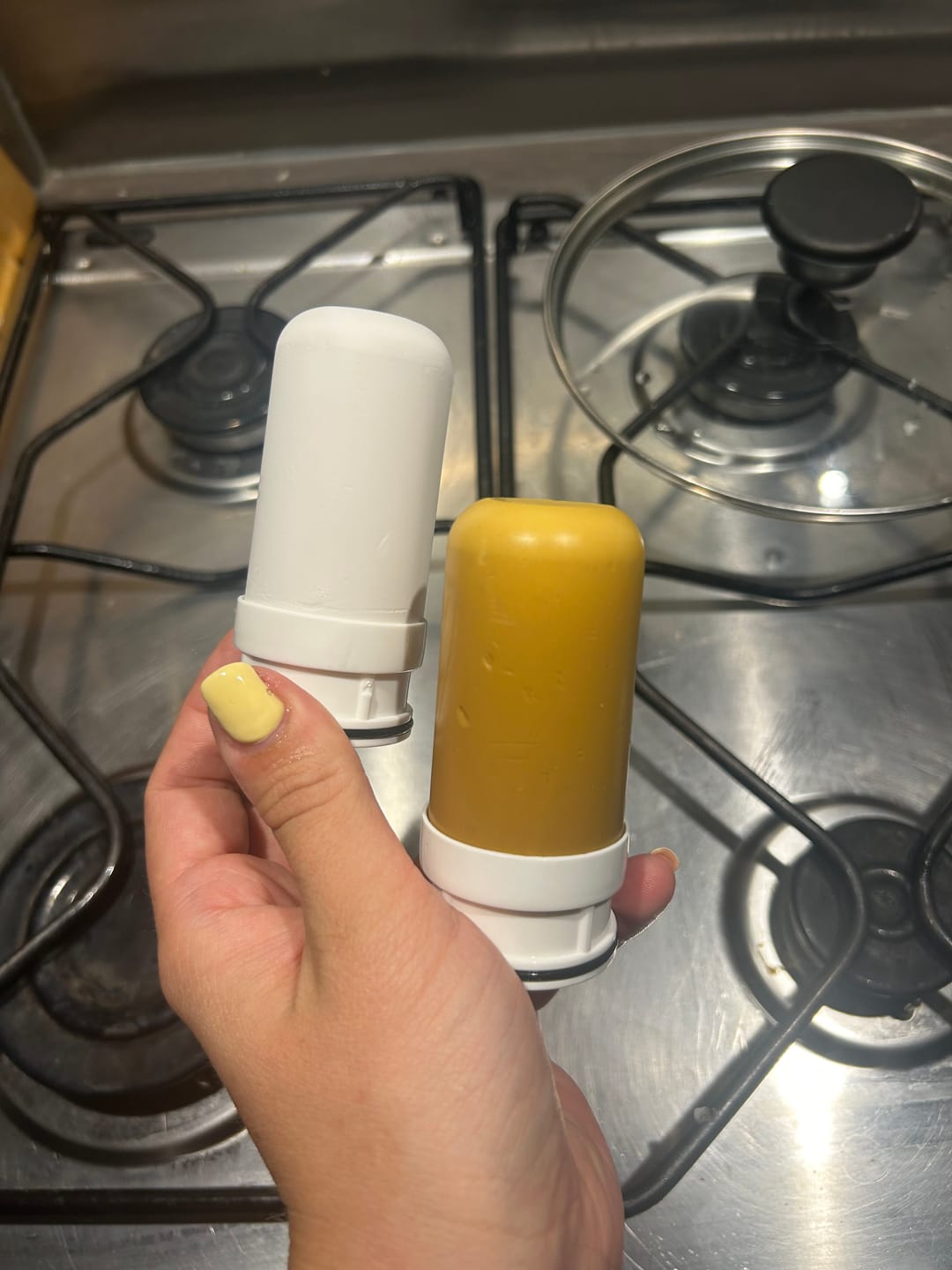
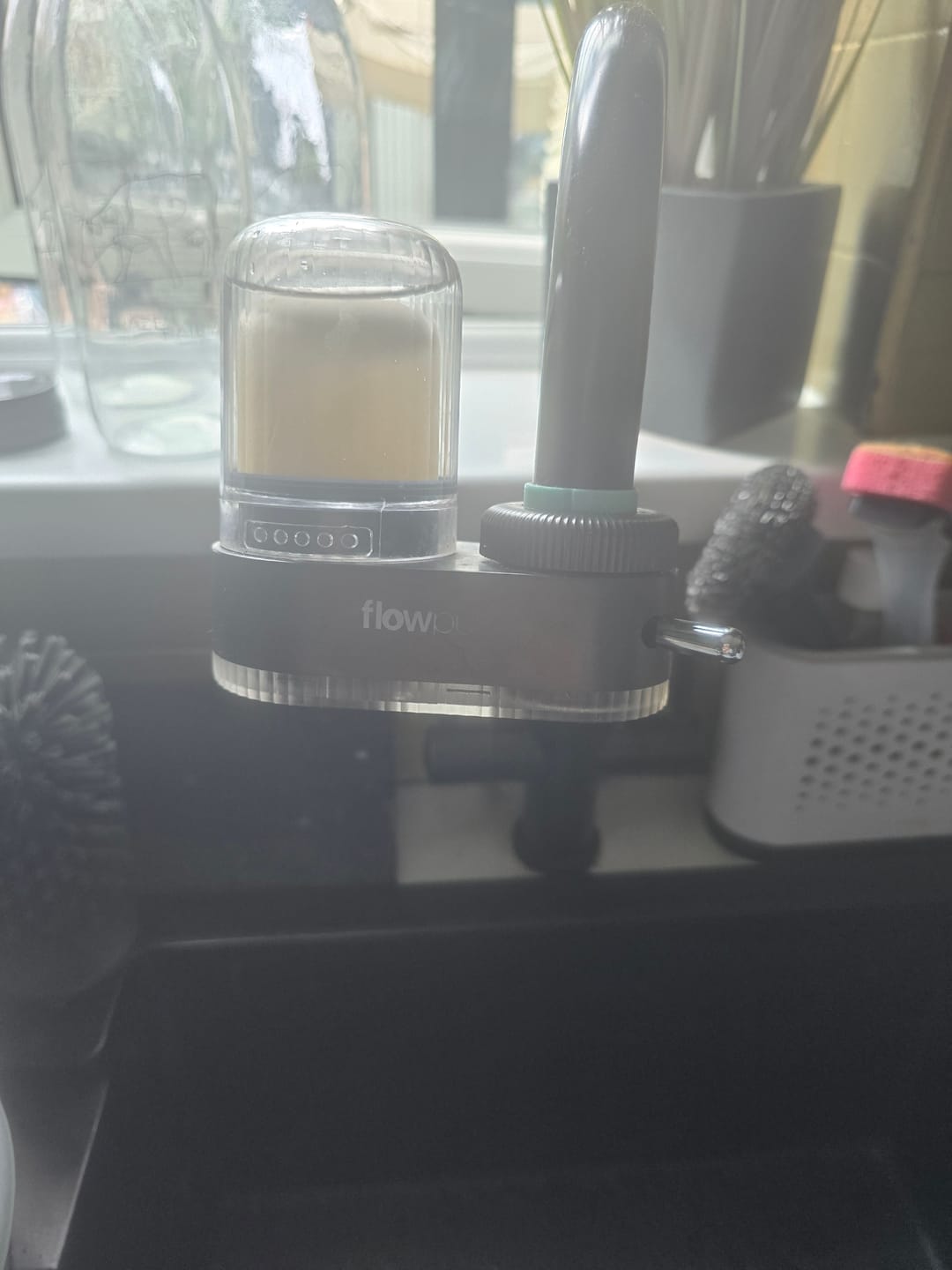
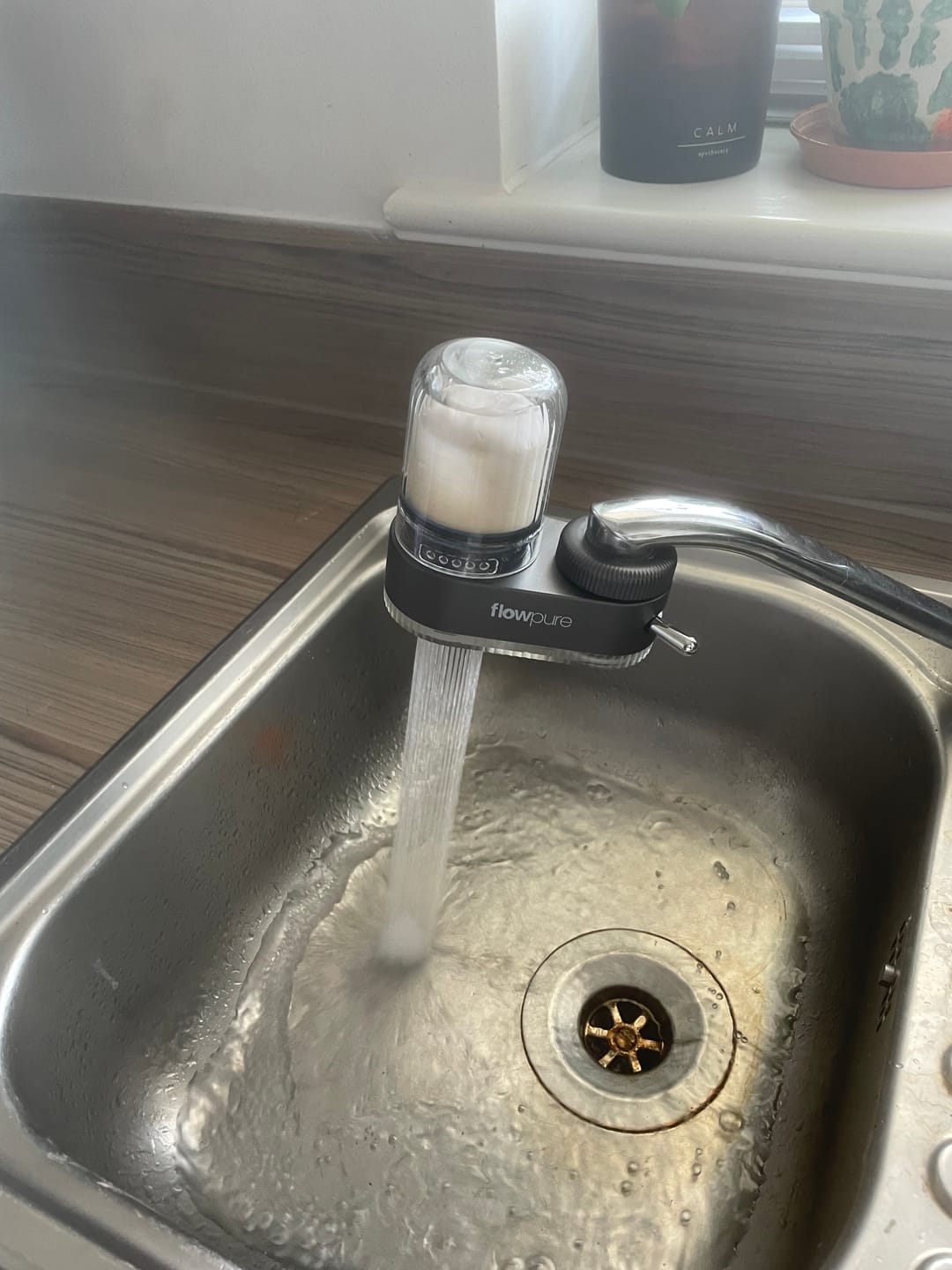


The Reality of Australian Tap Water
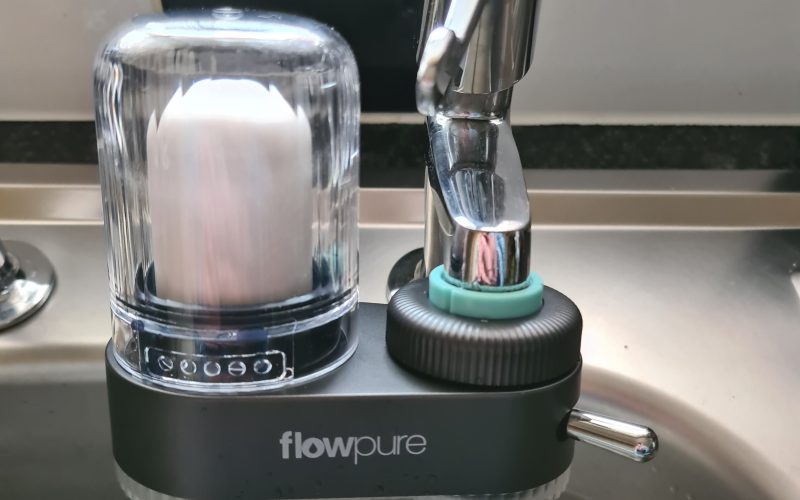
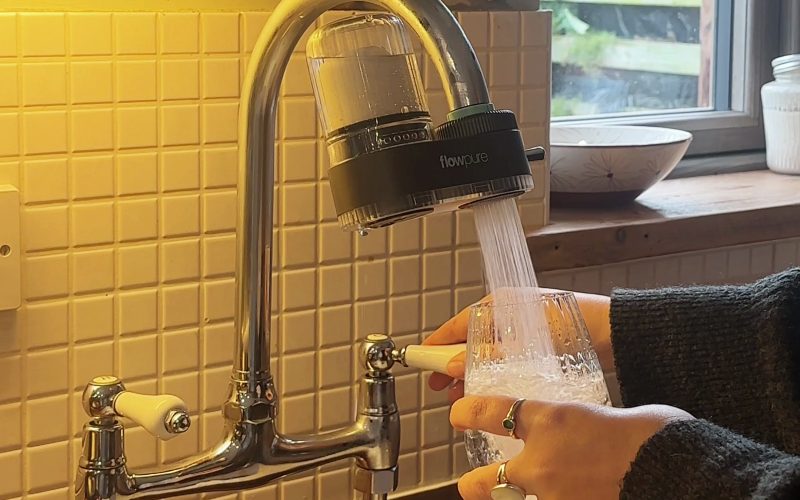
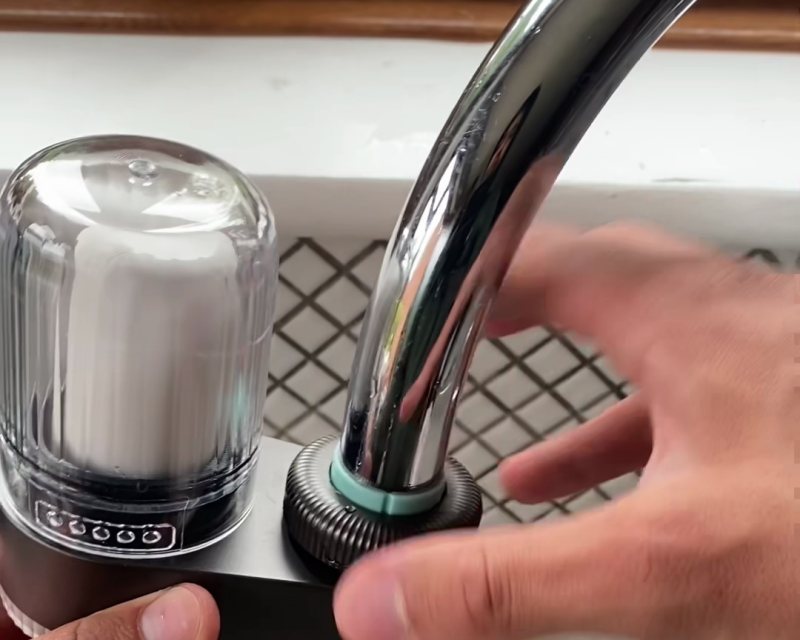
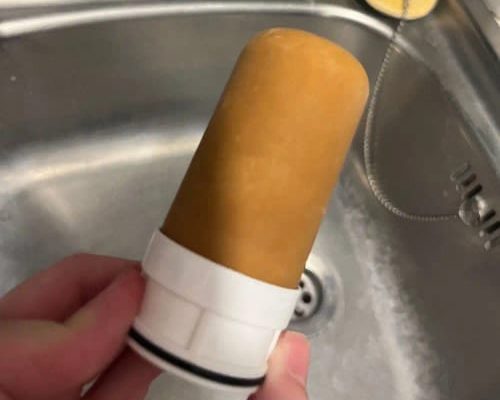
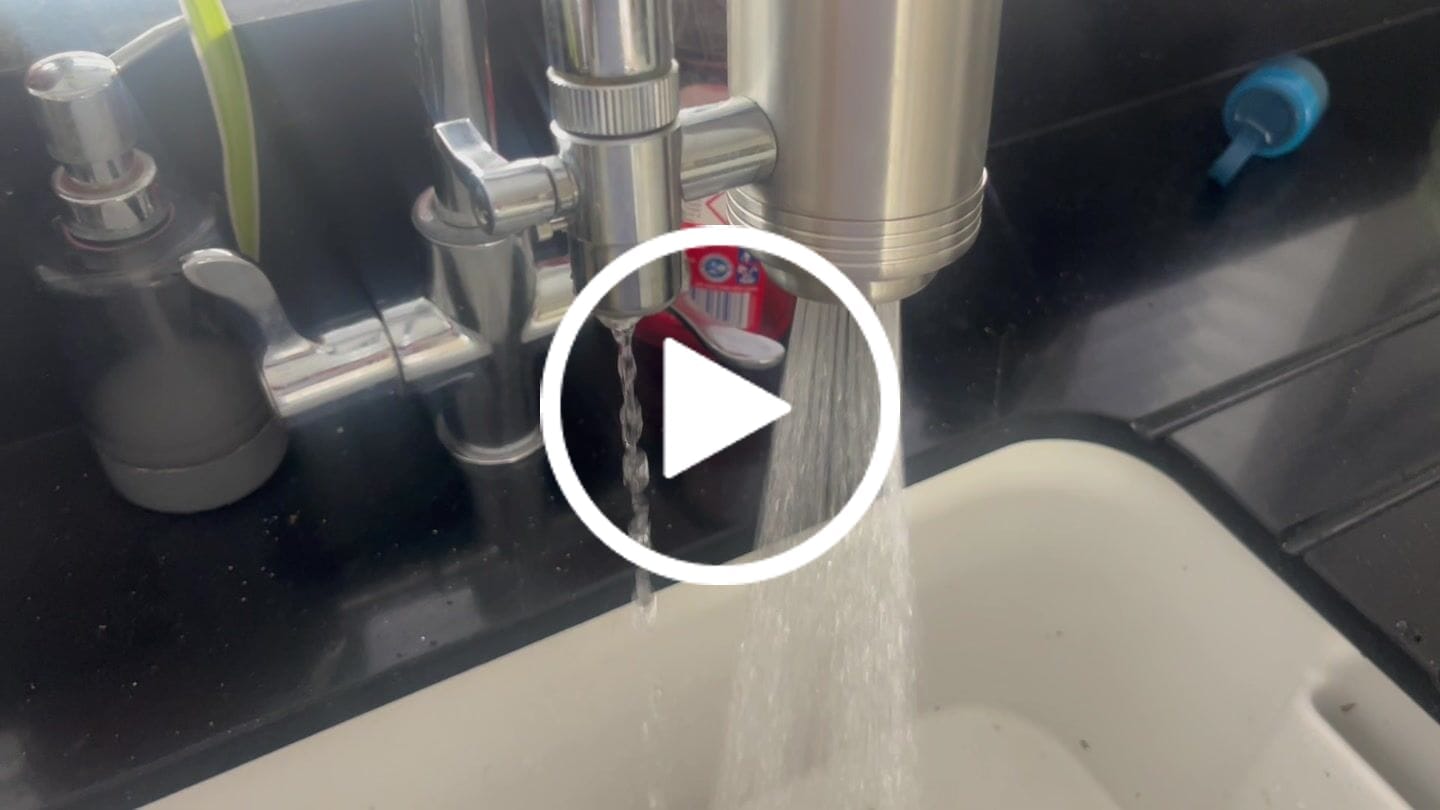
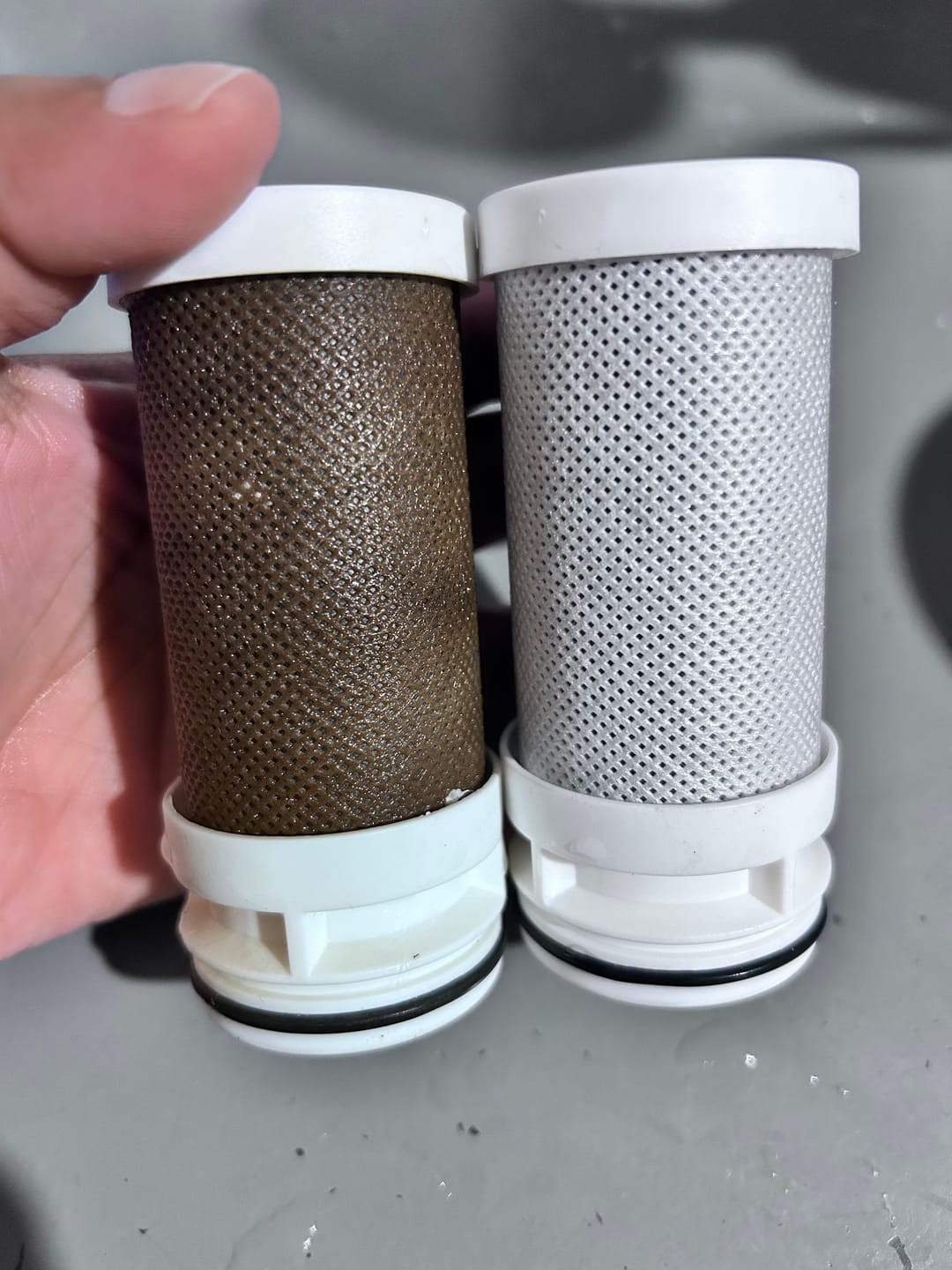
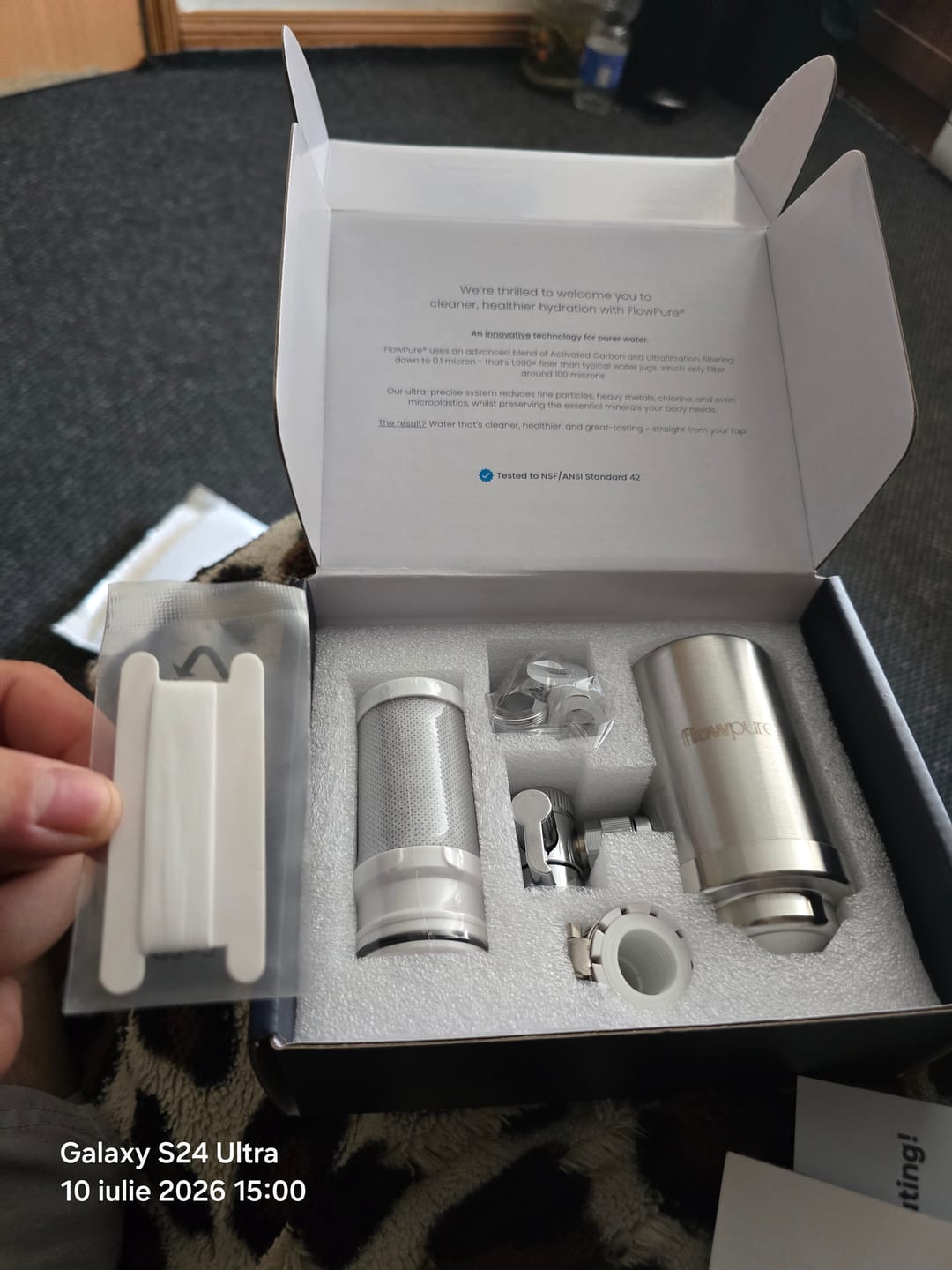
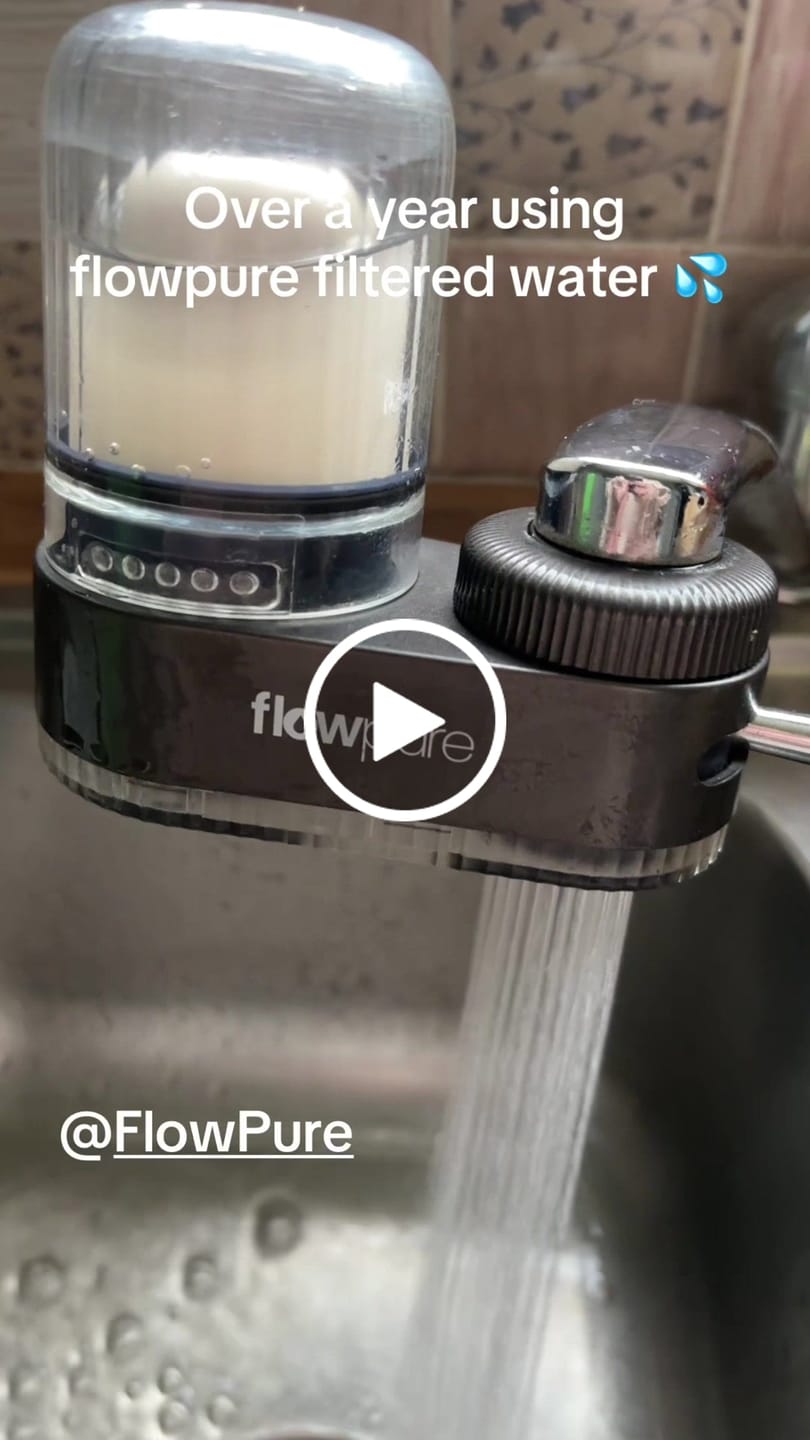
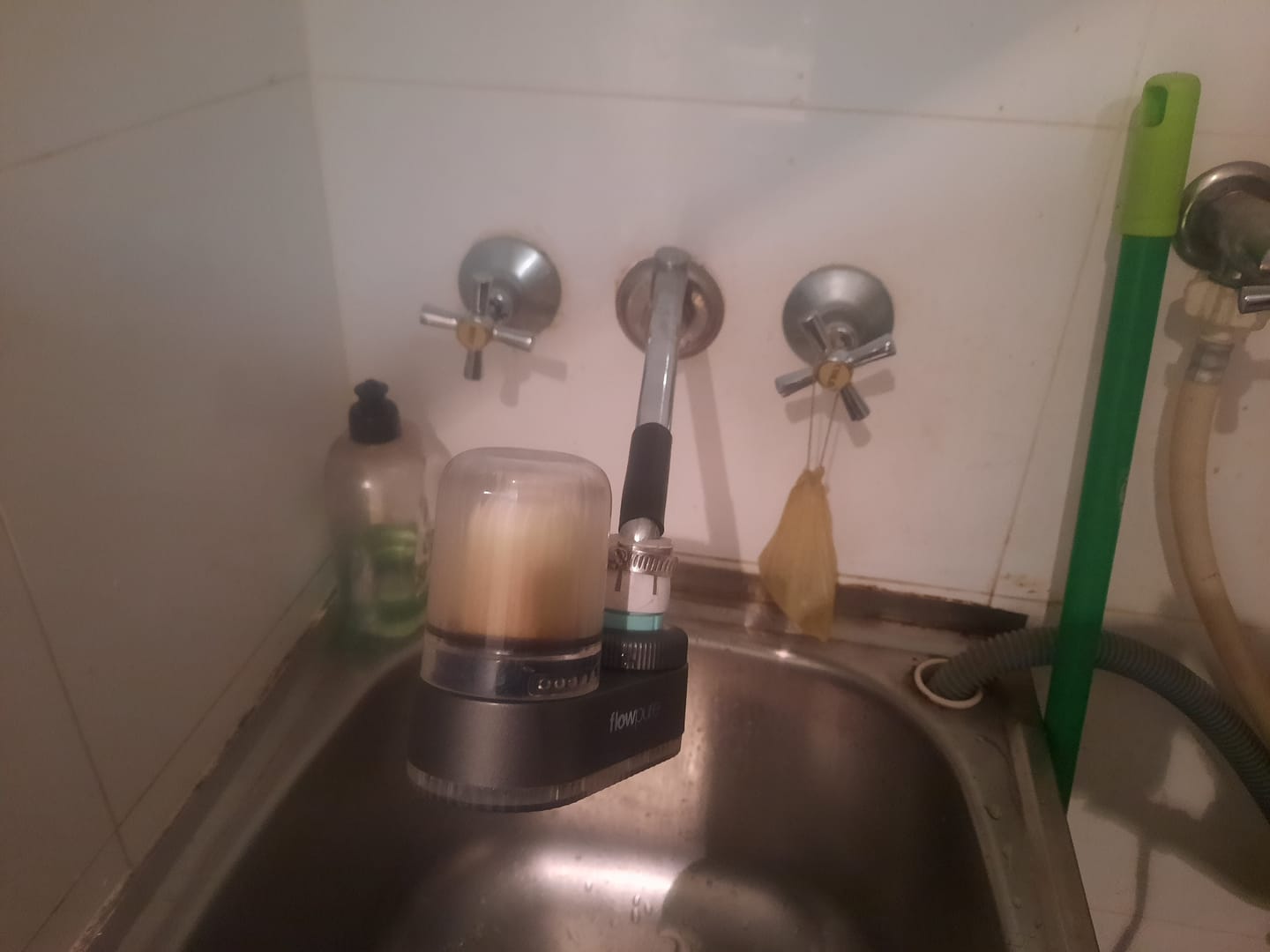
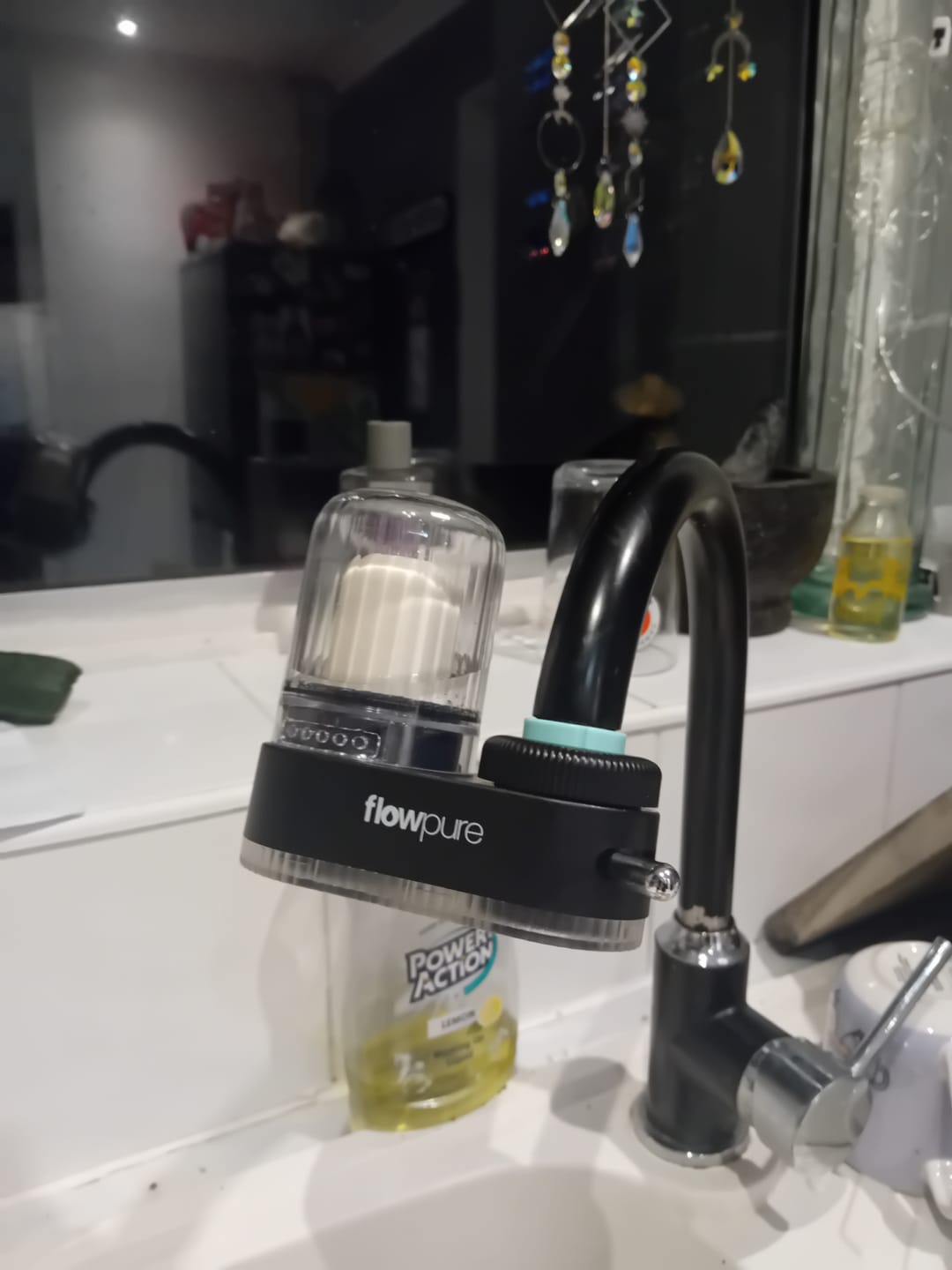
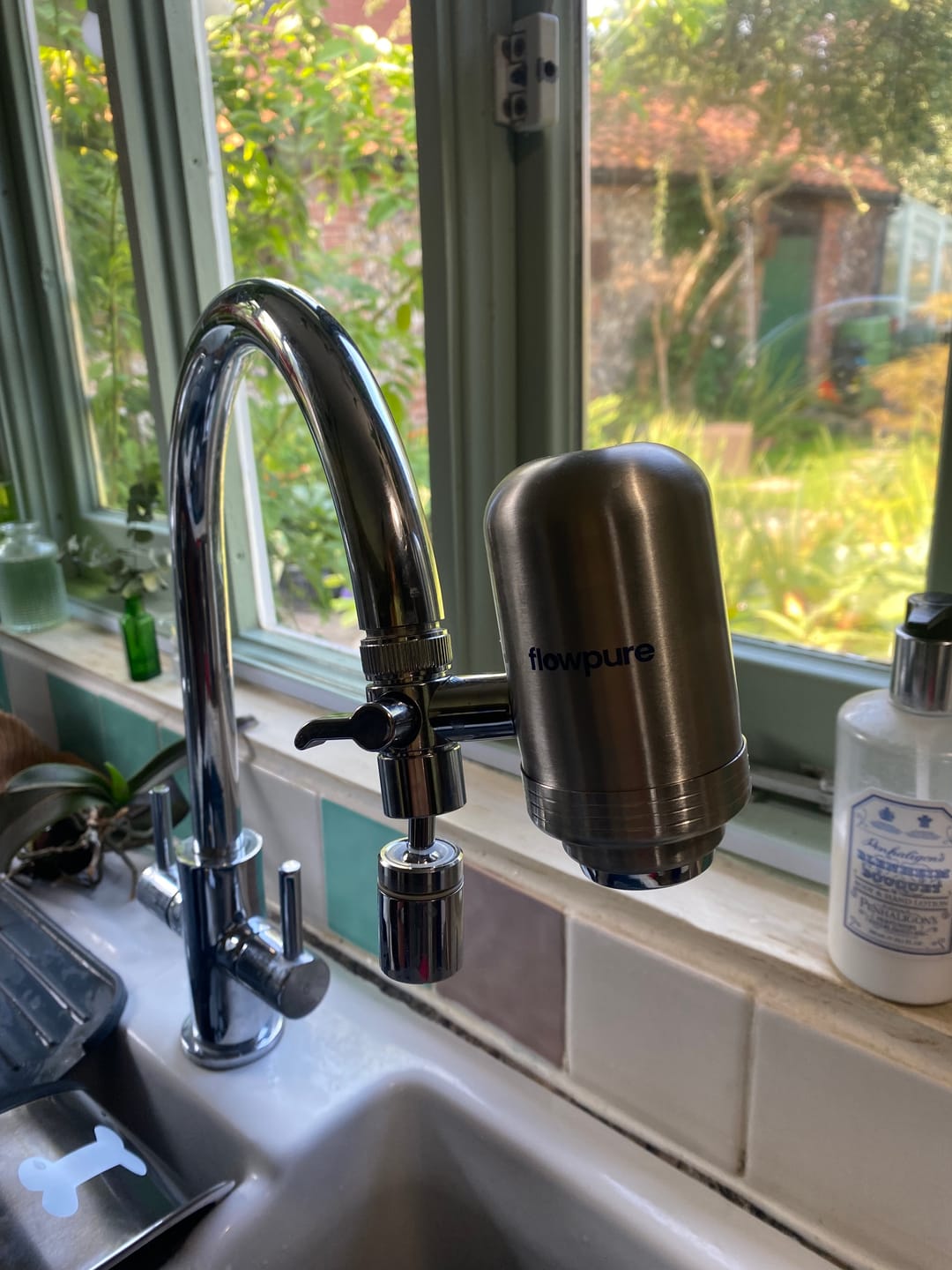
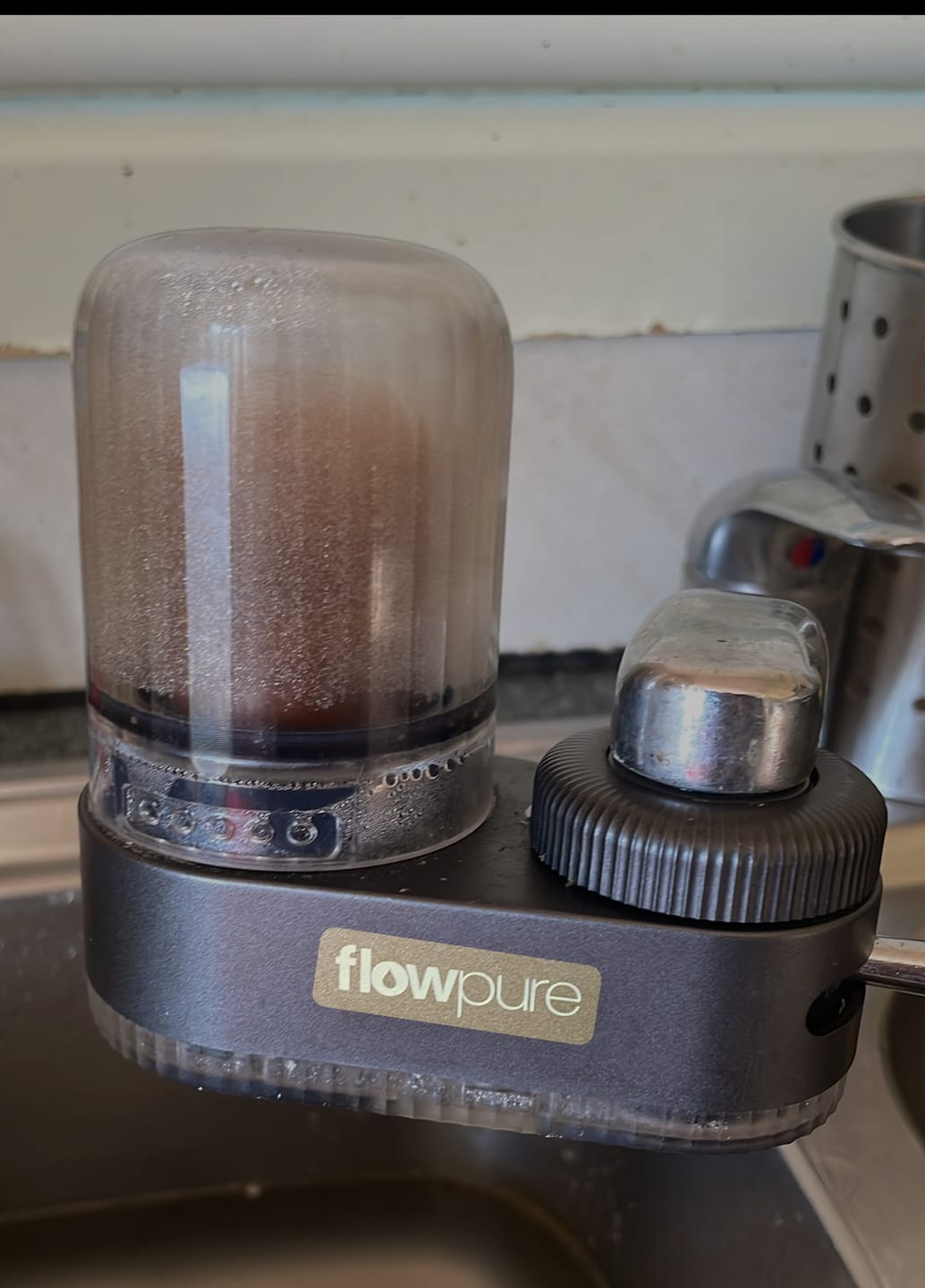
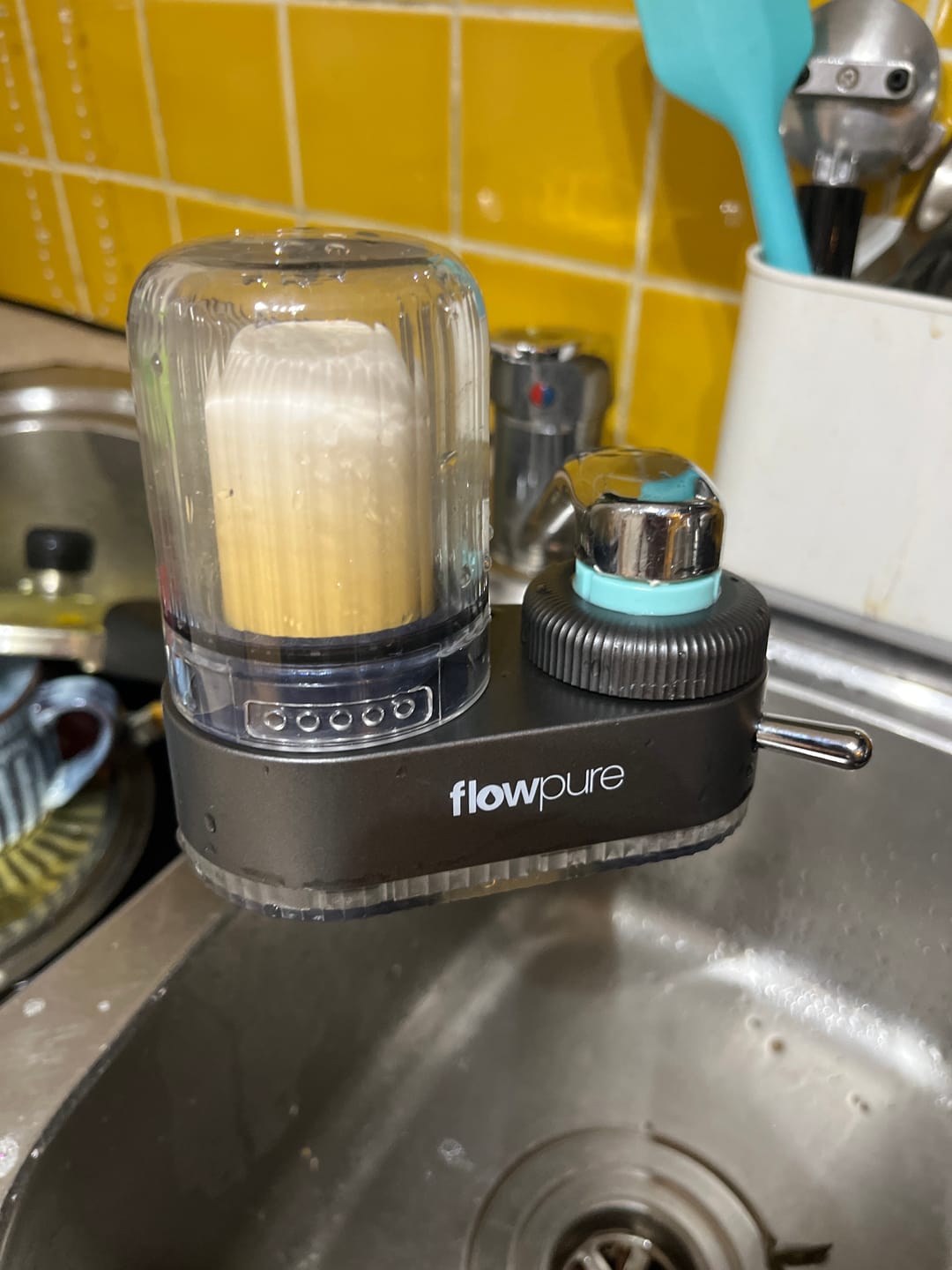
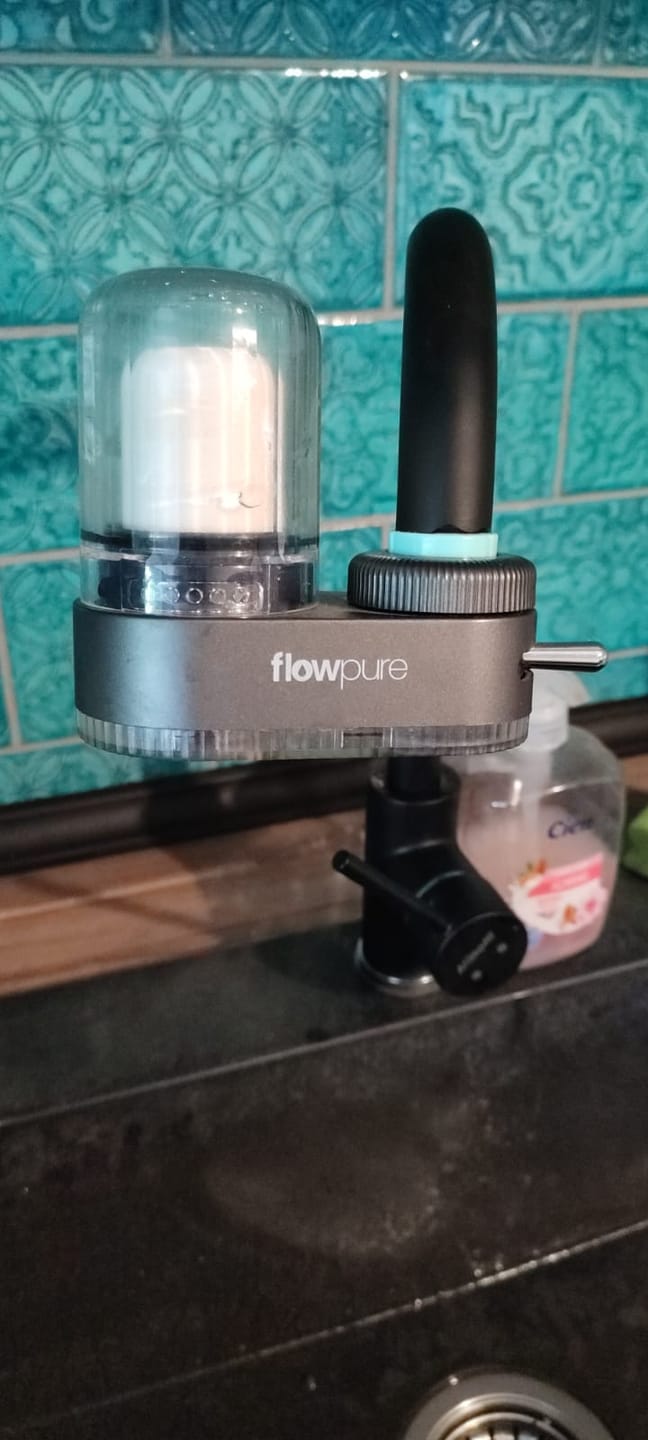
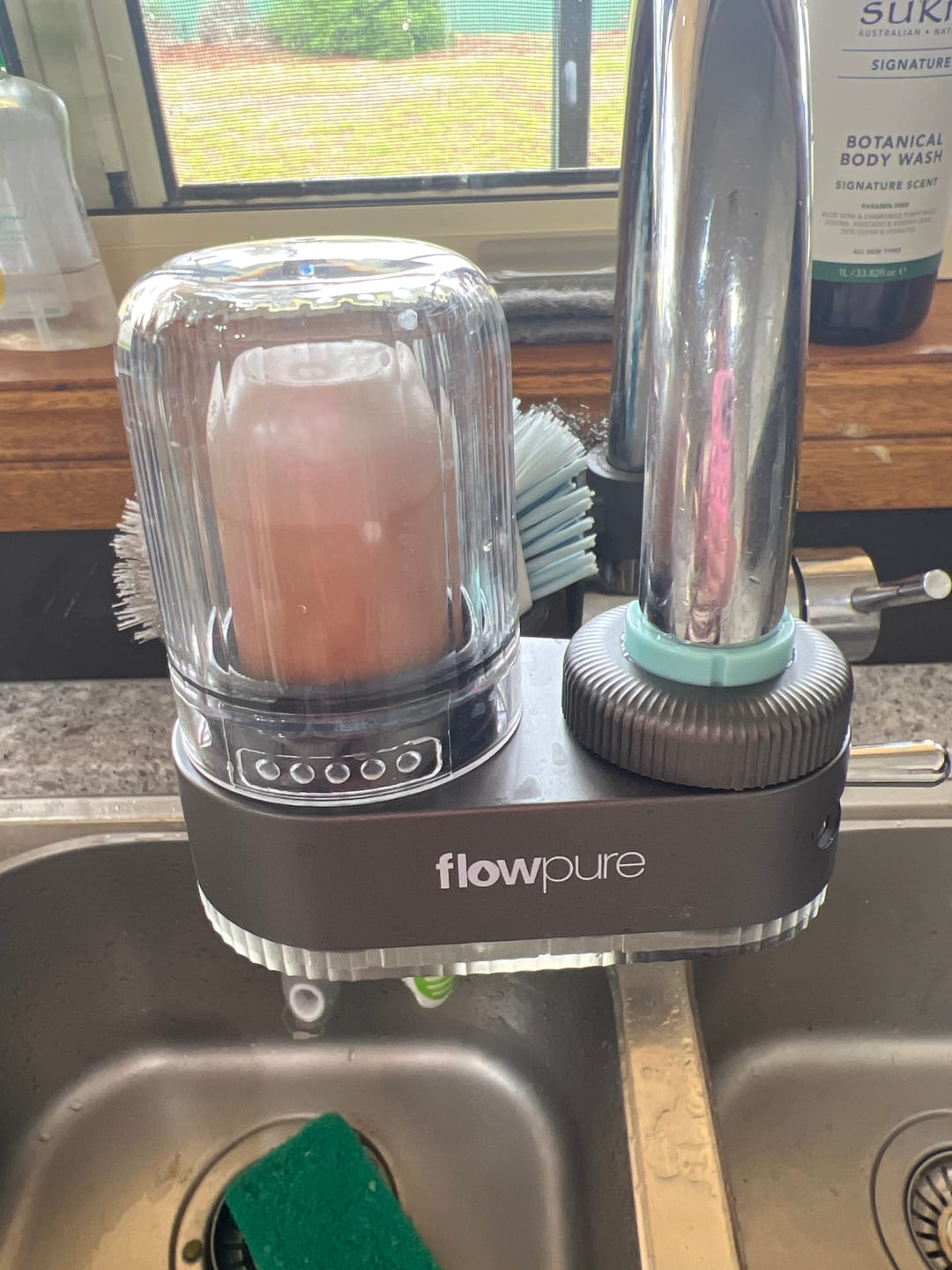
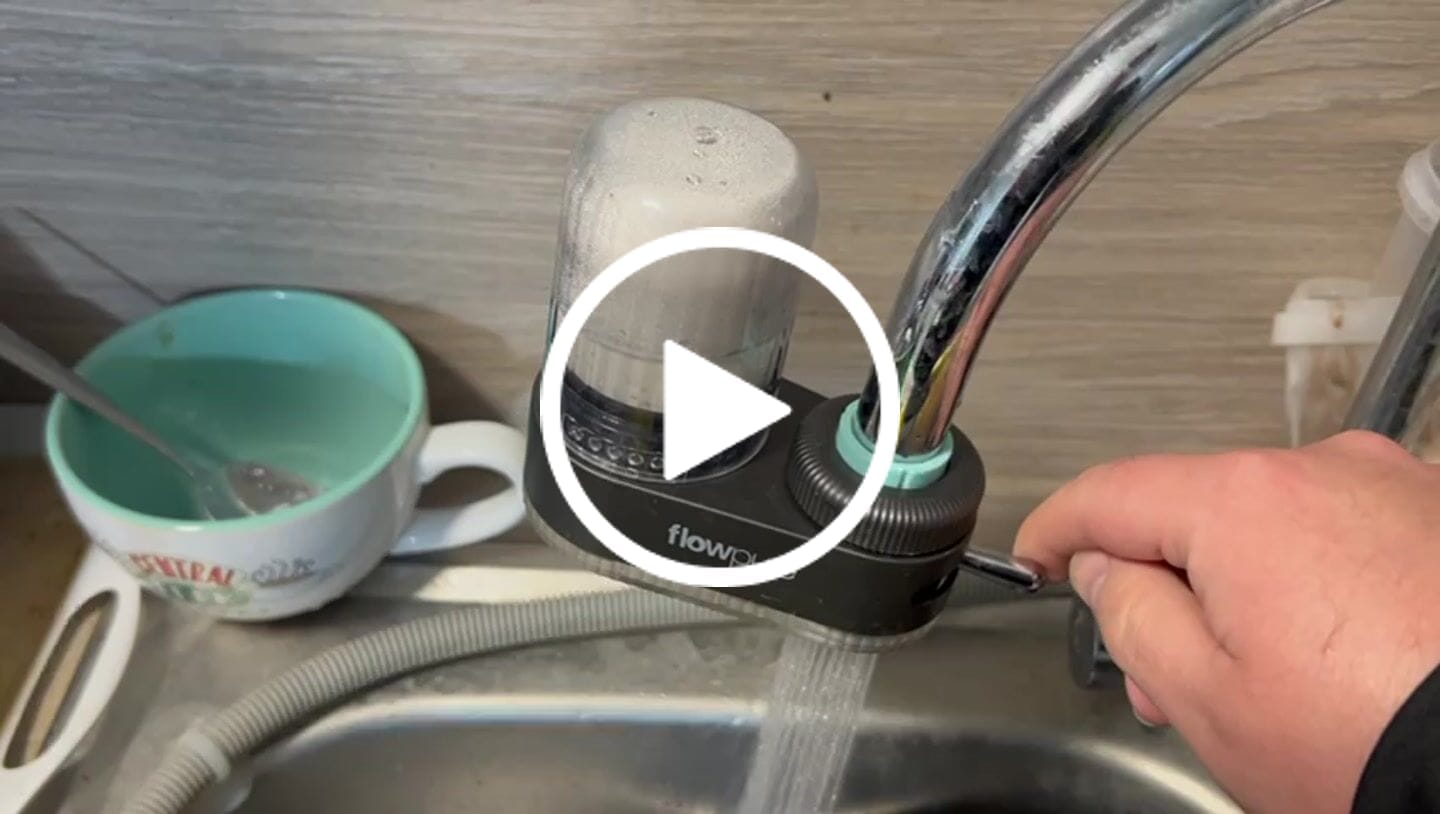
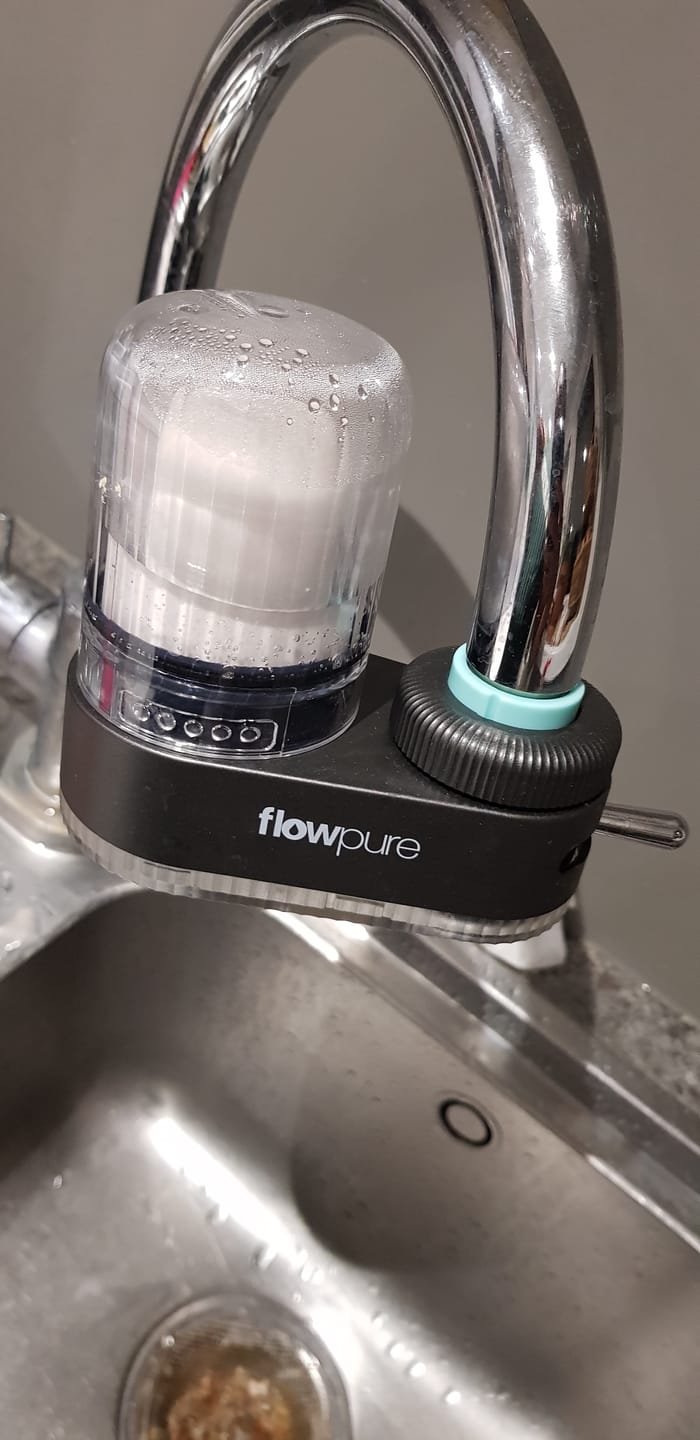
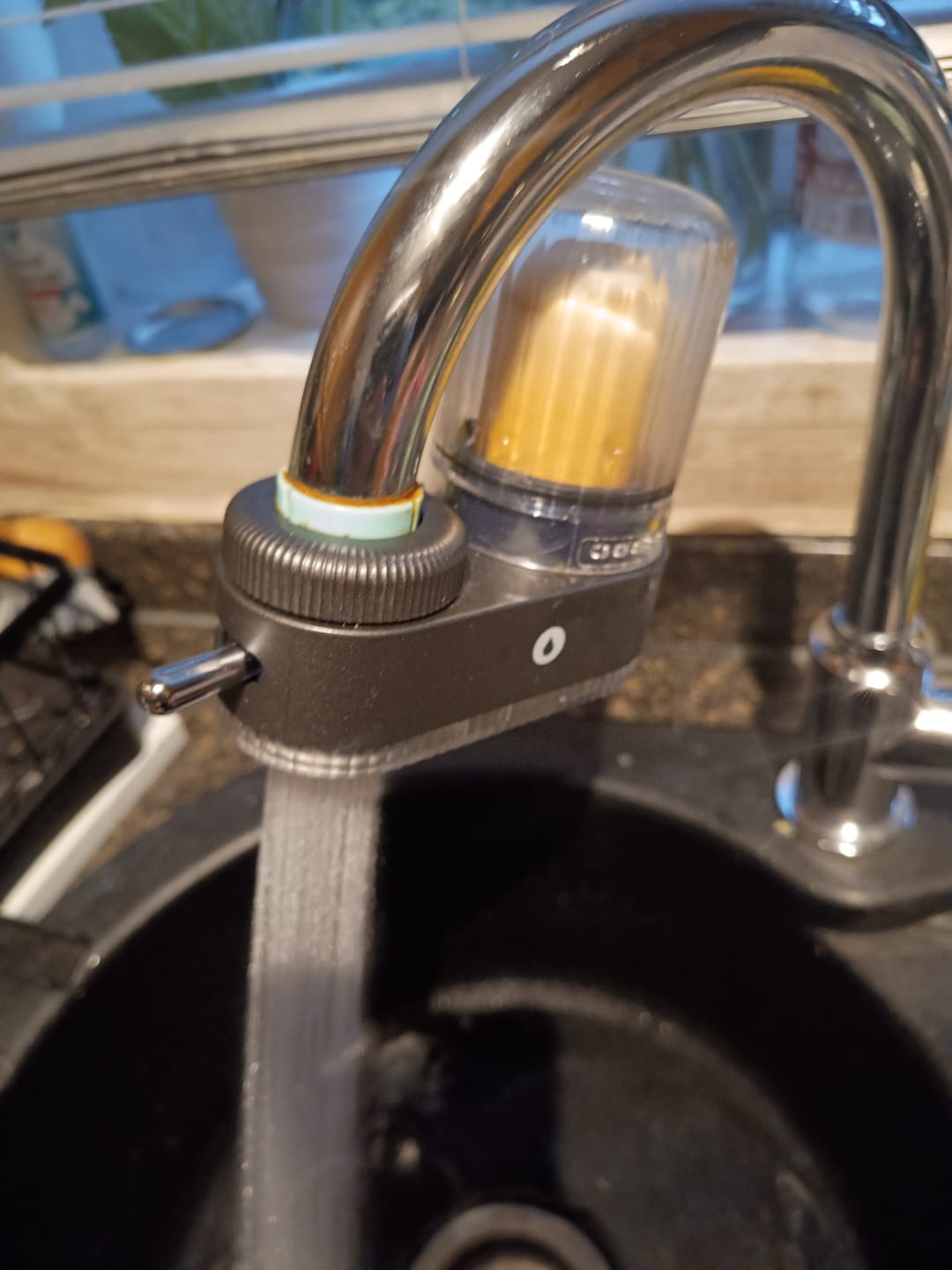
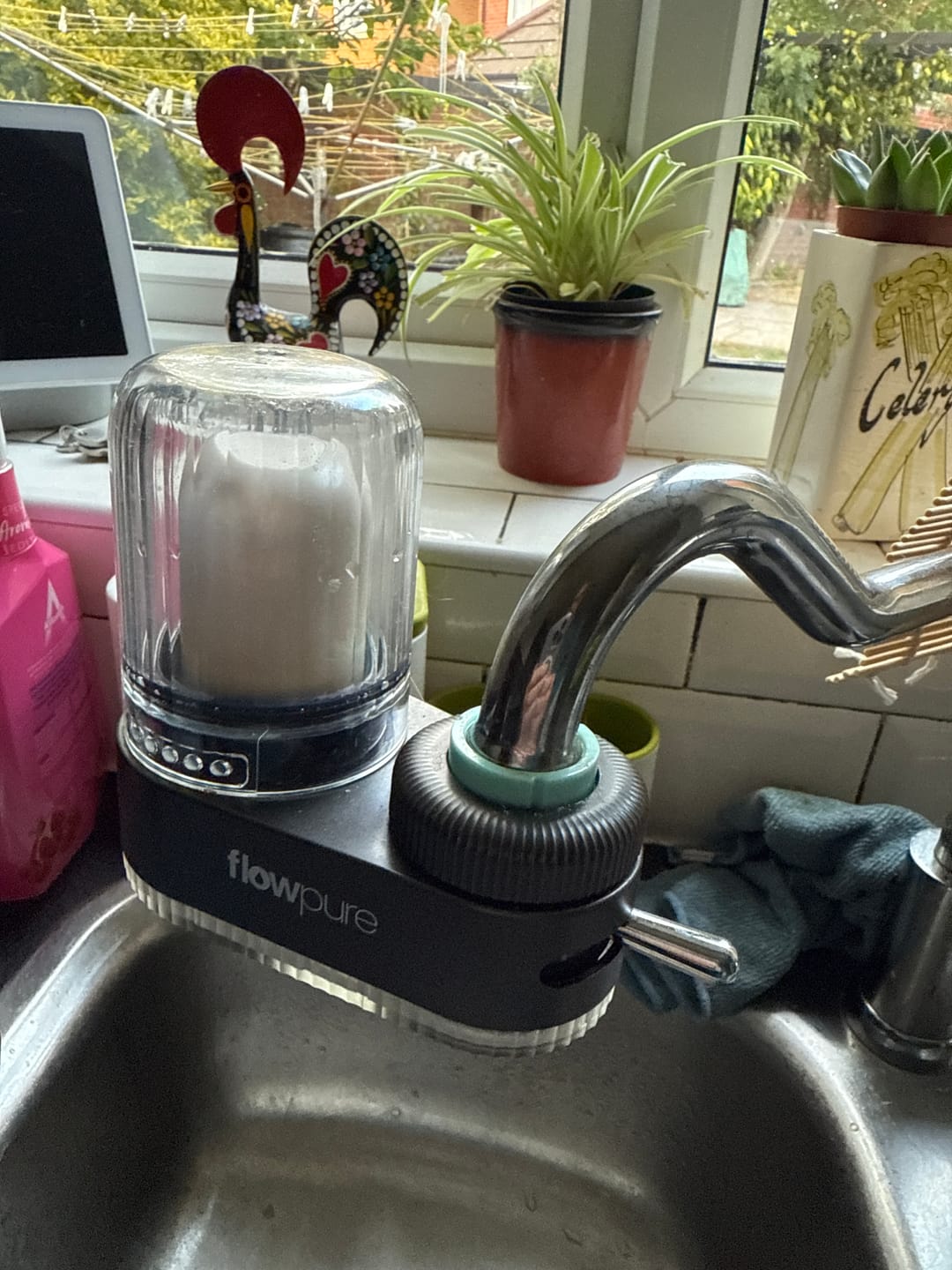
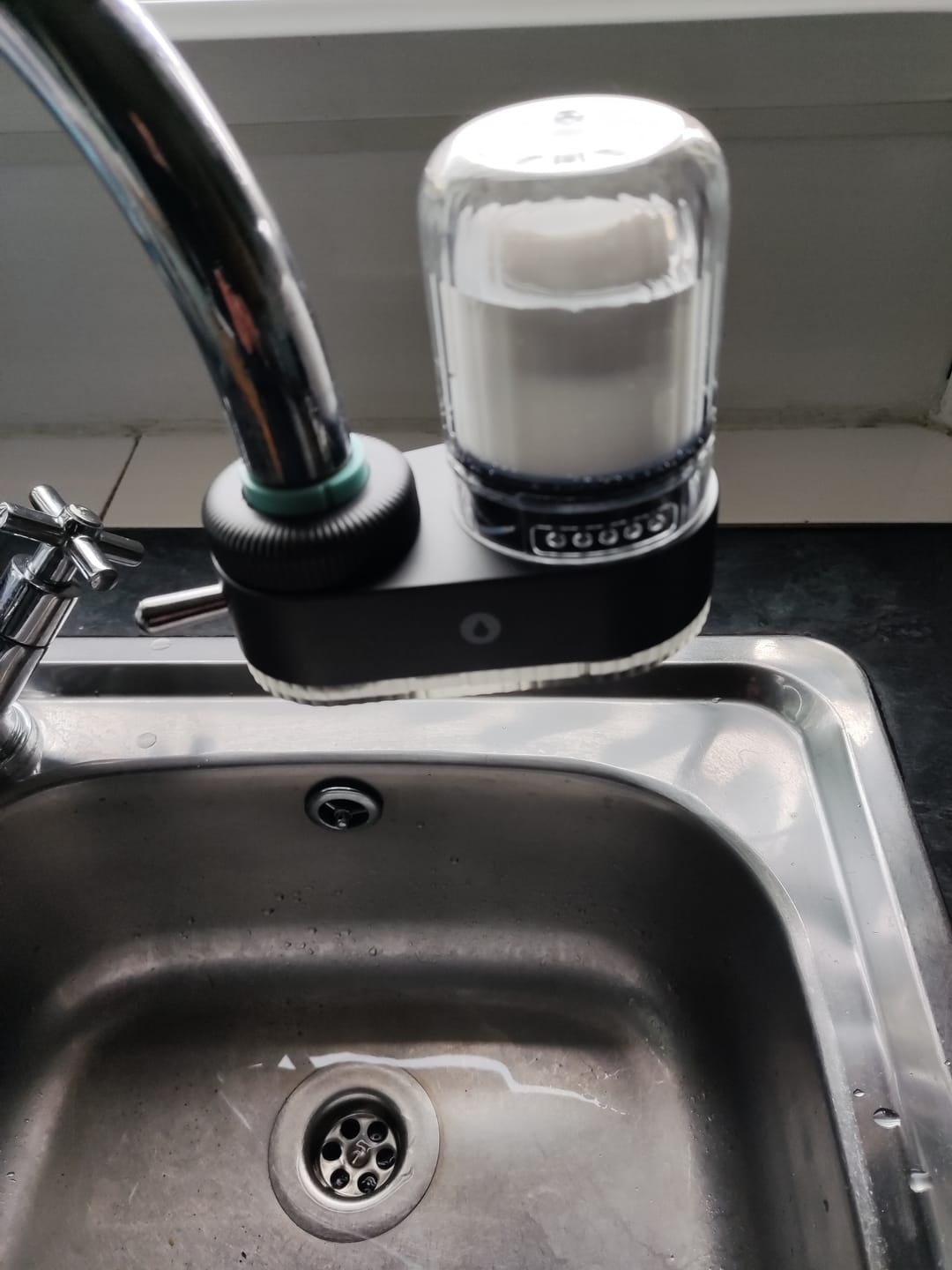
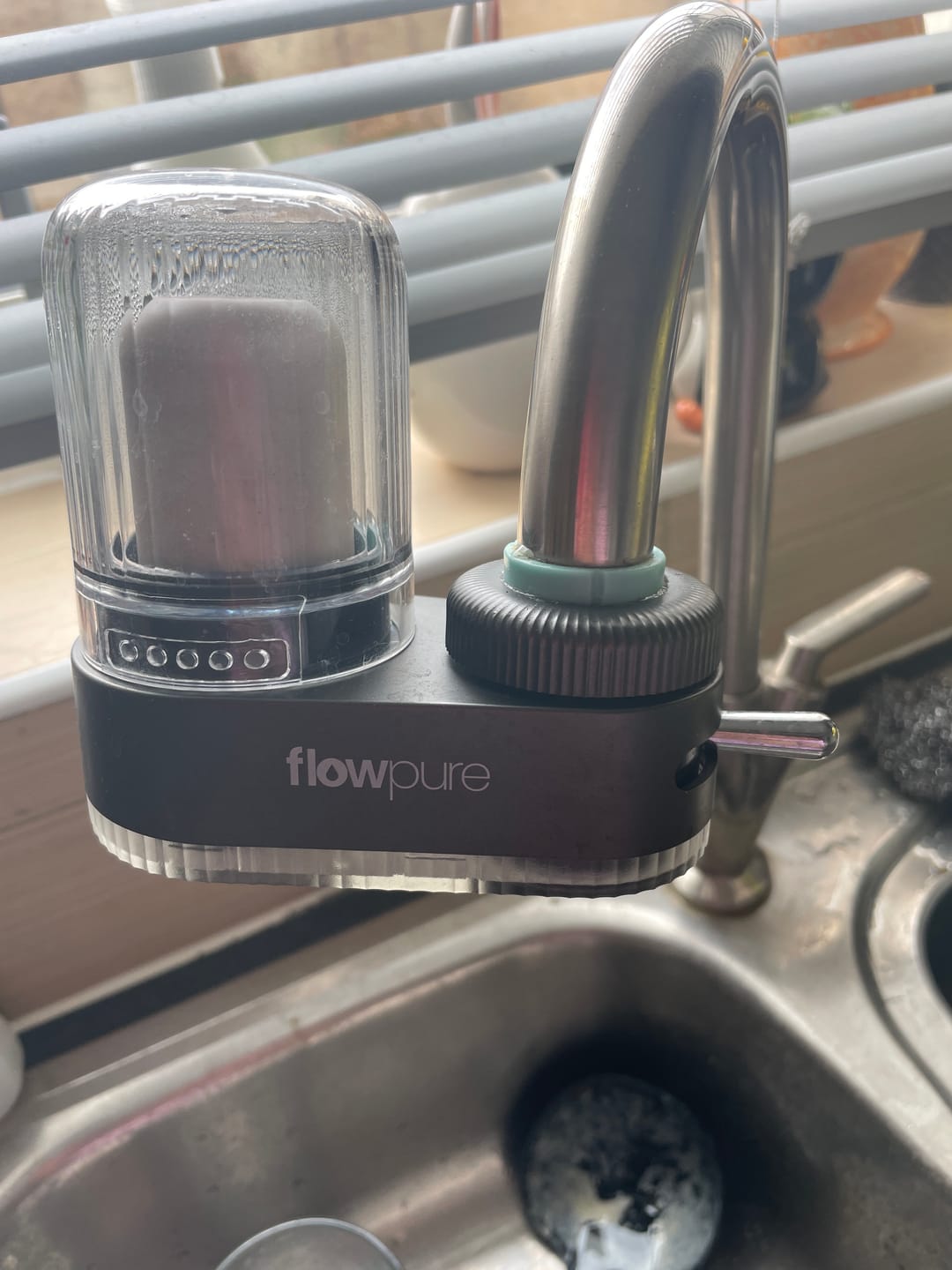
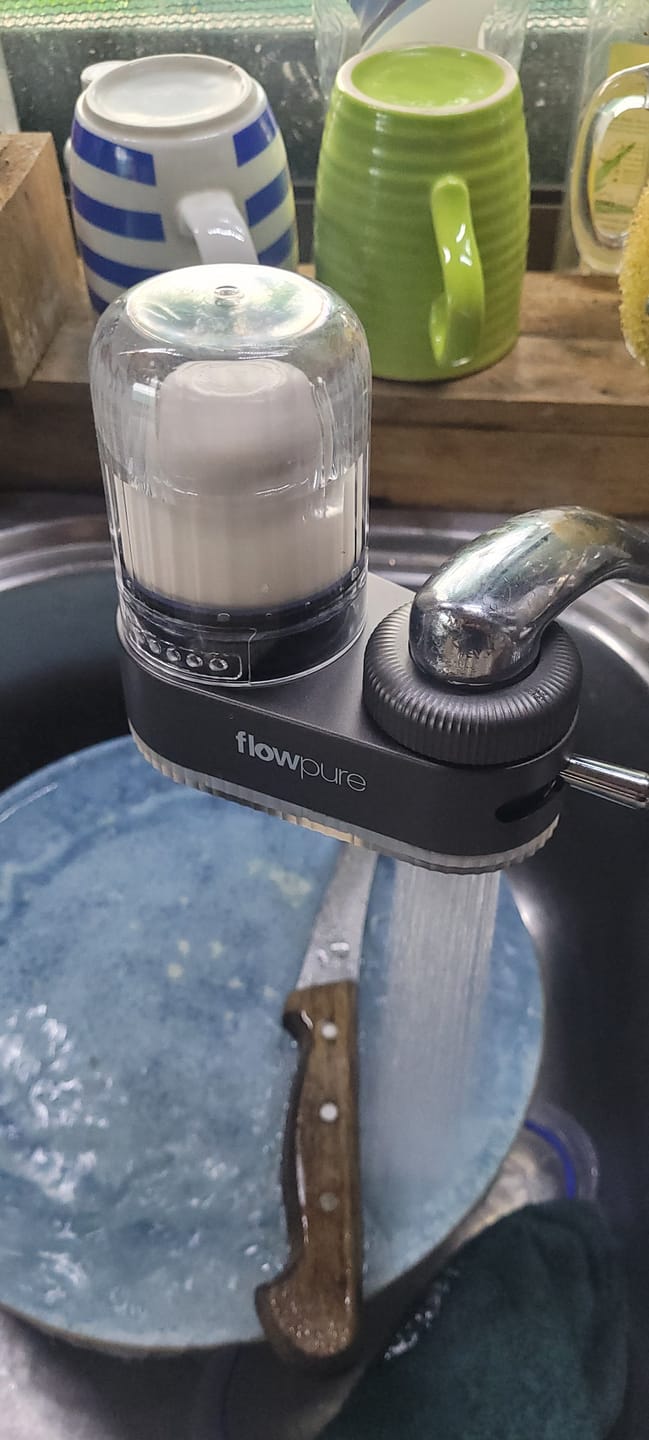
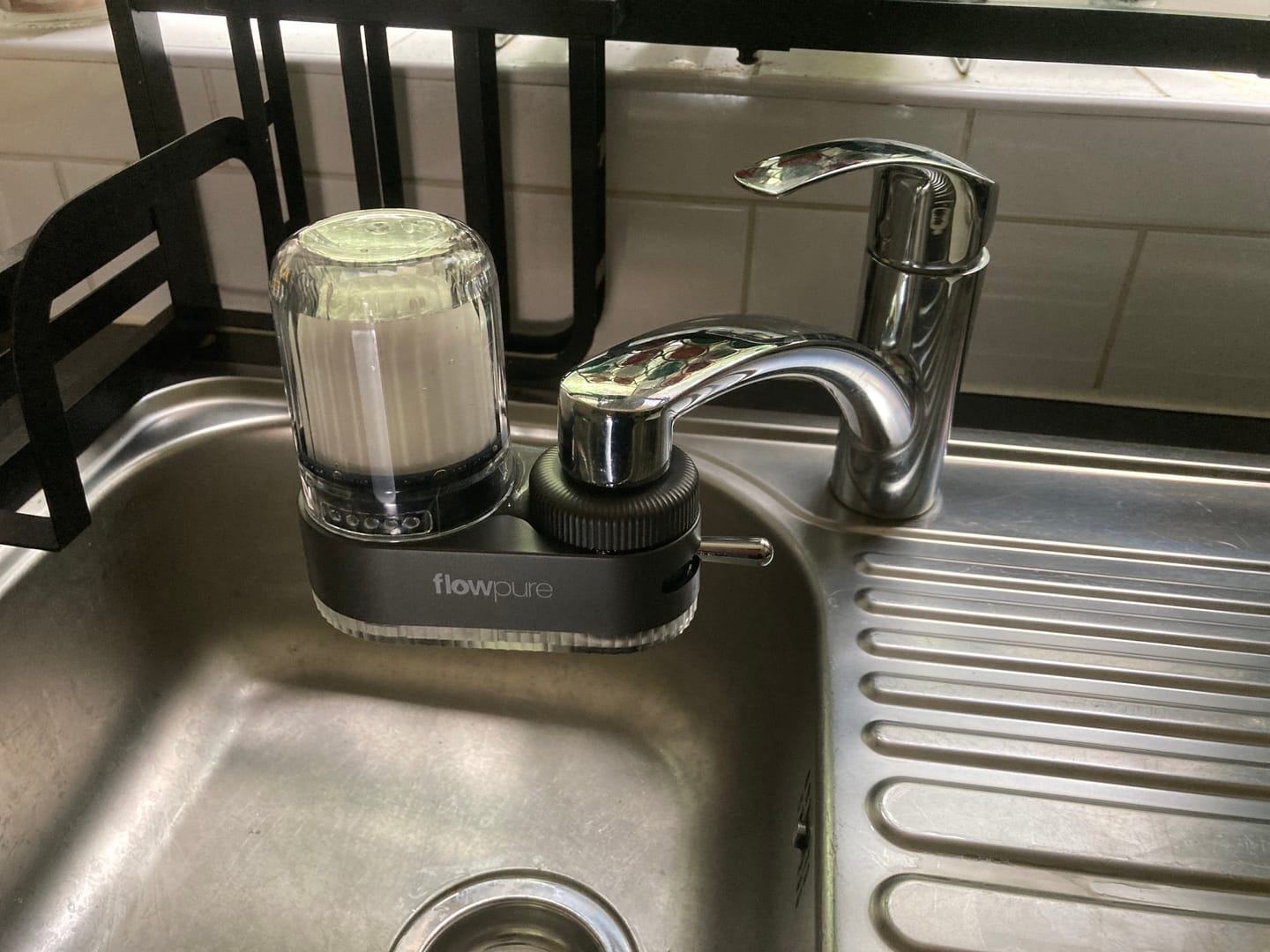
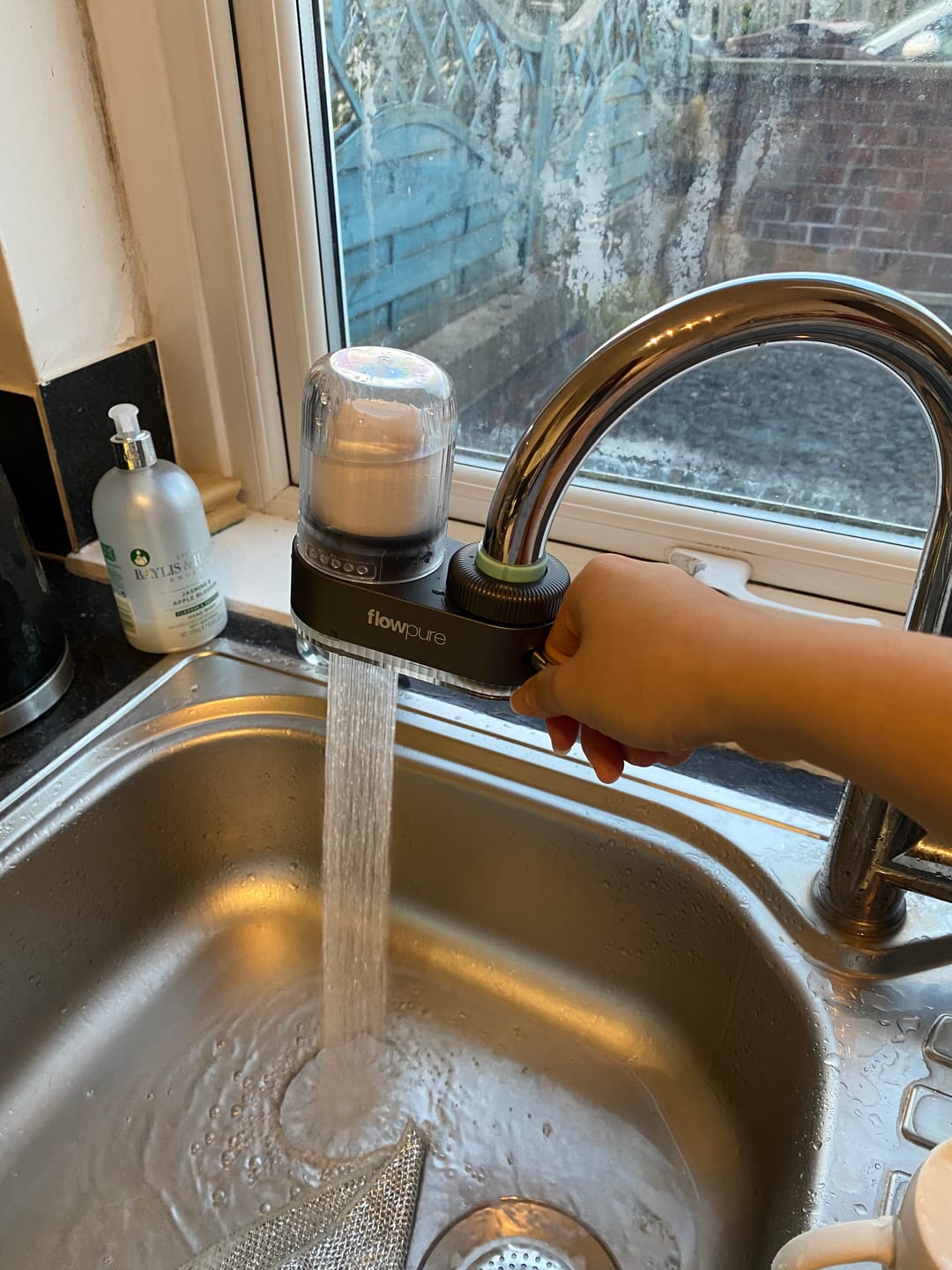
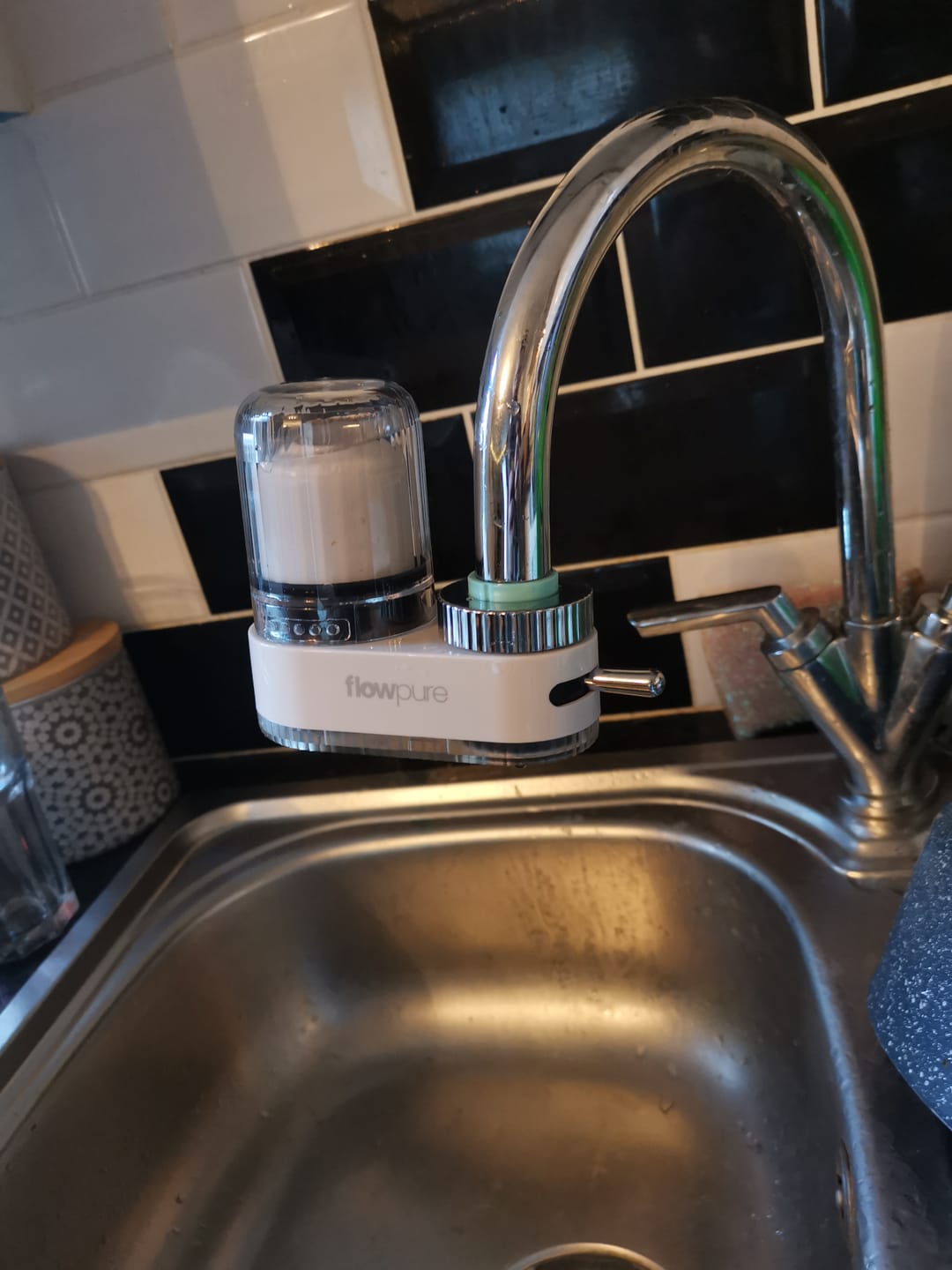
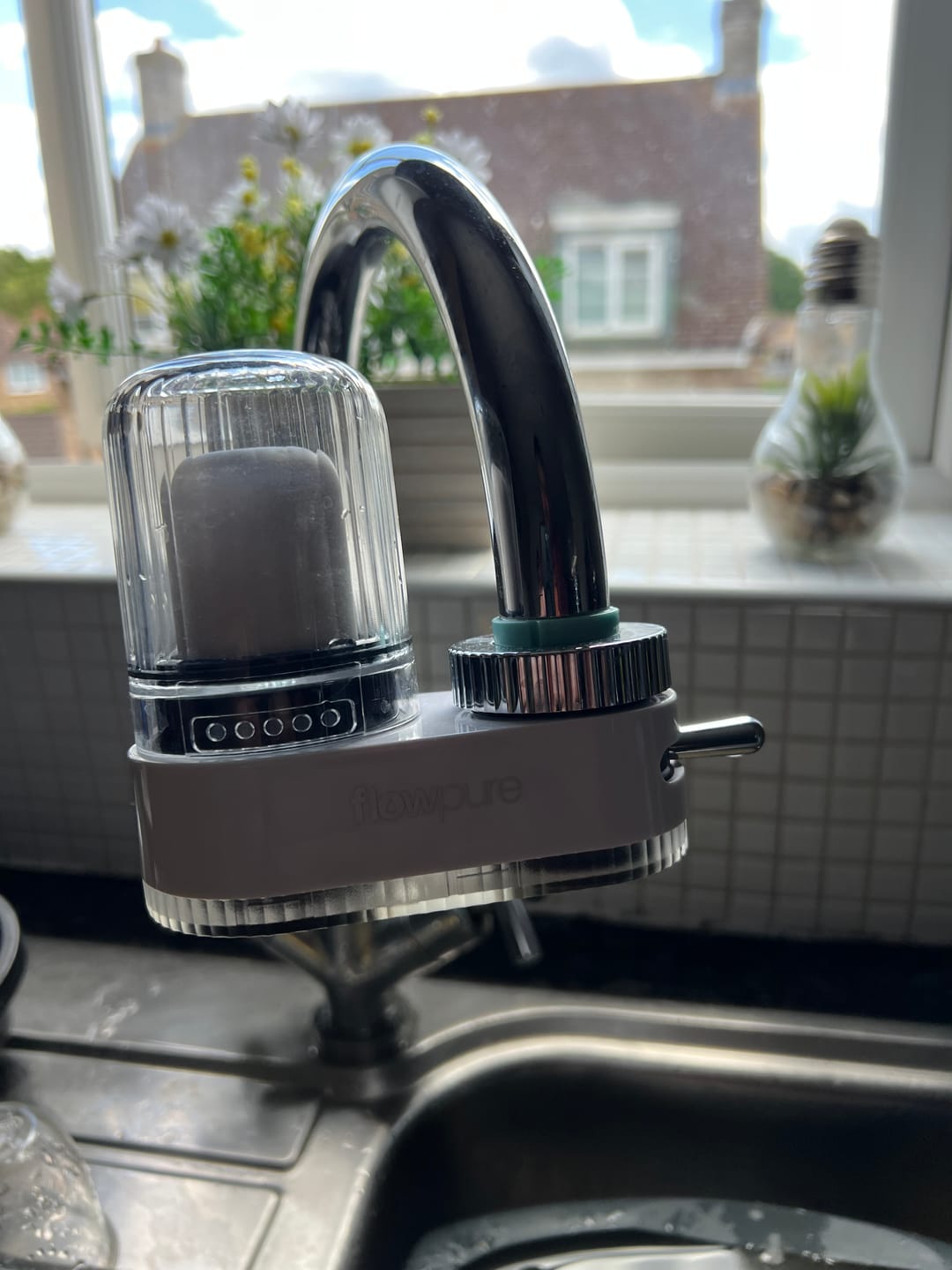
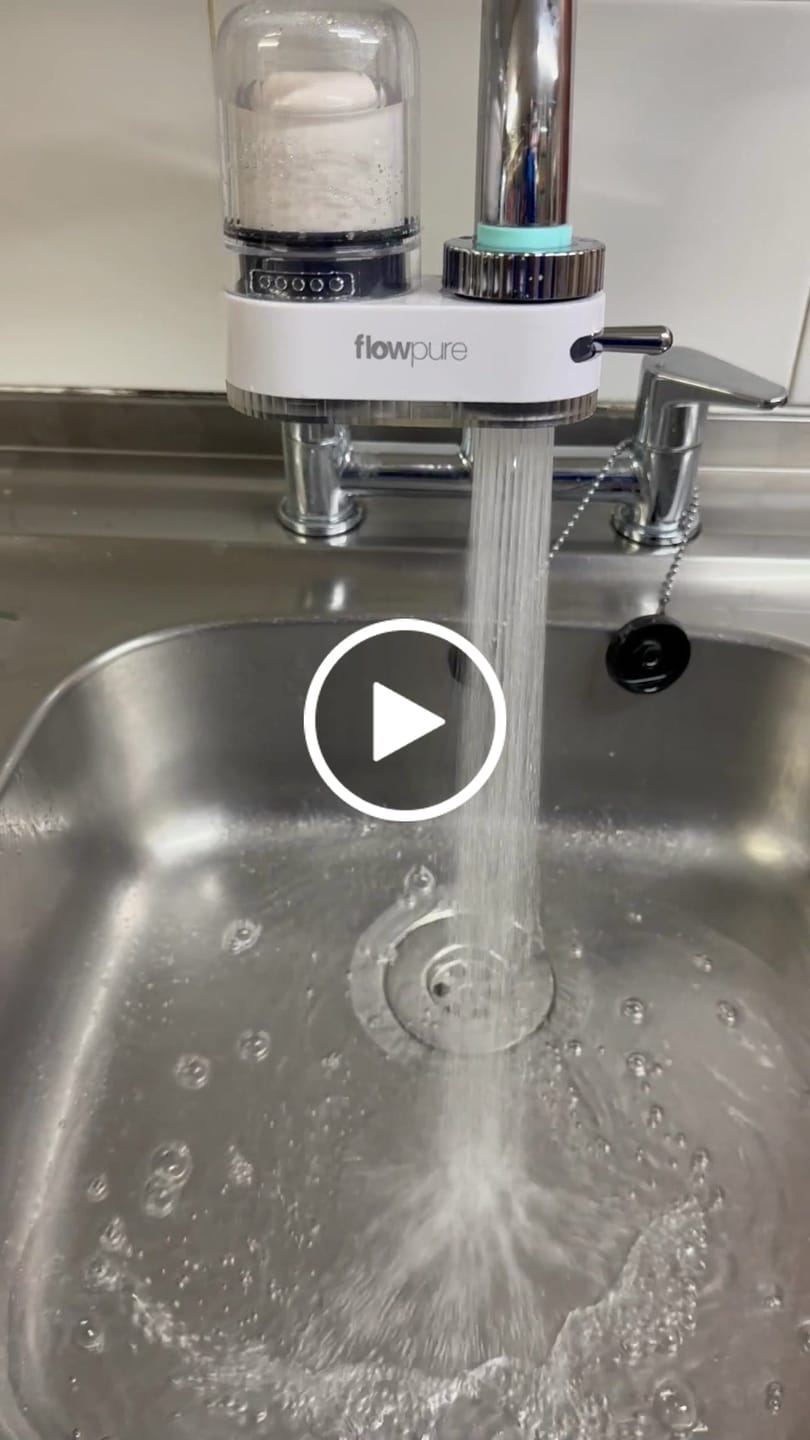
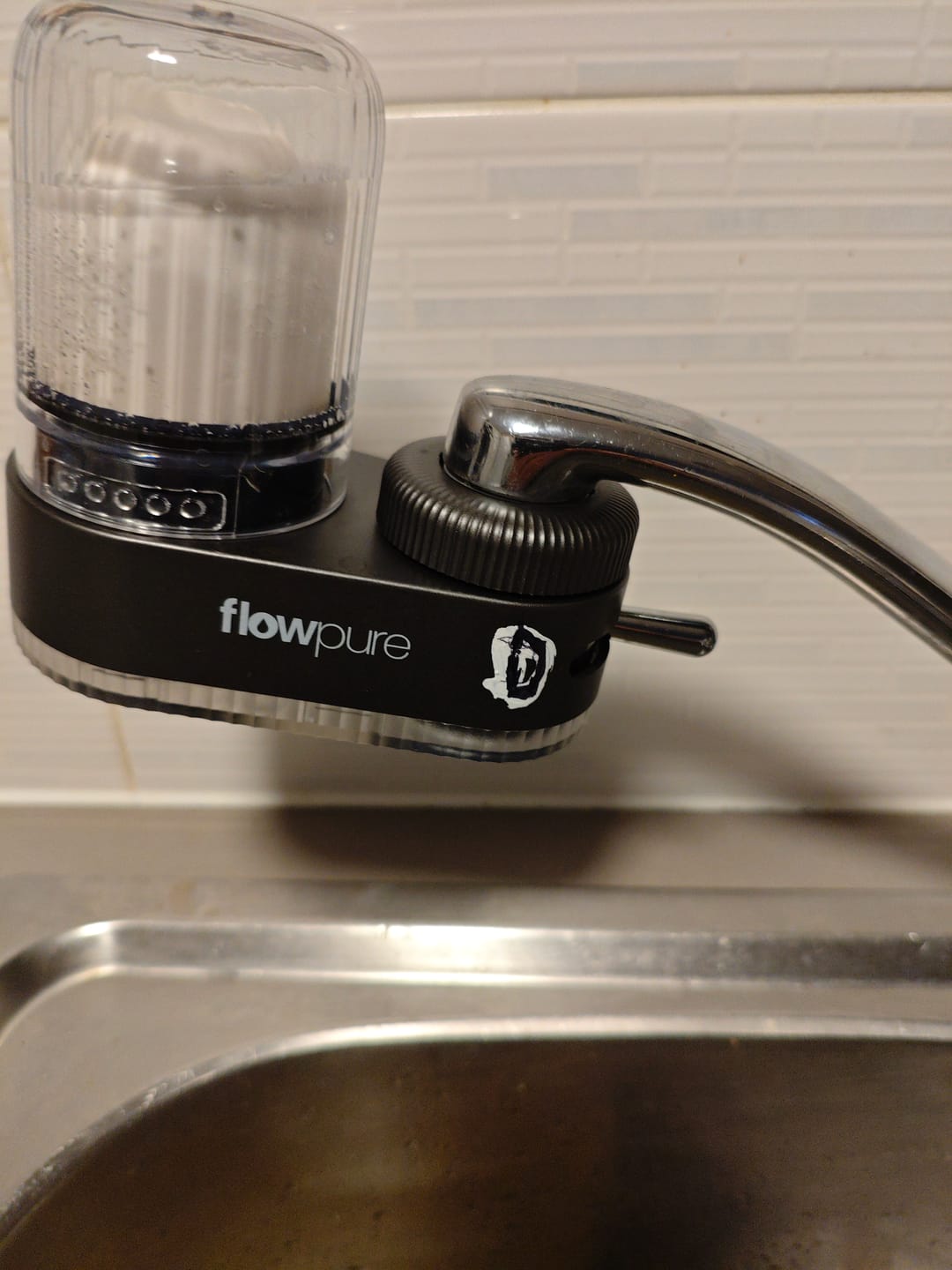
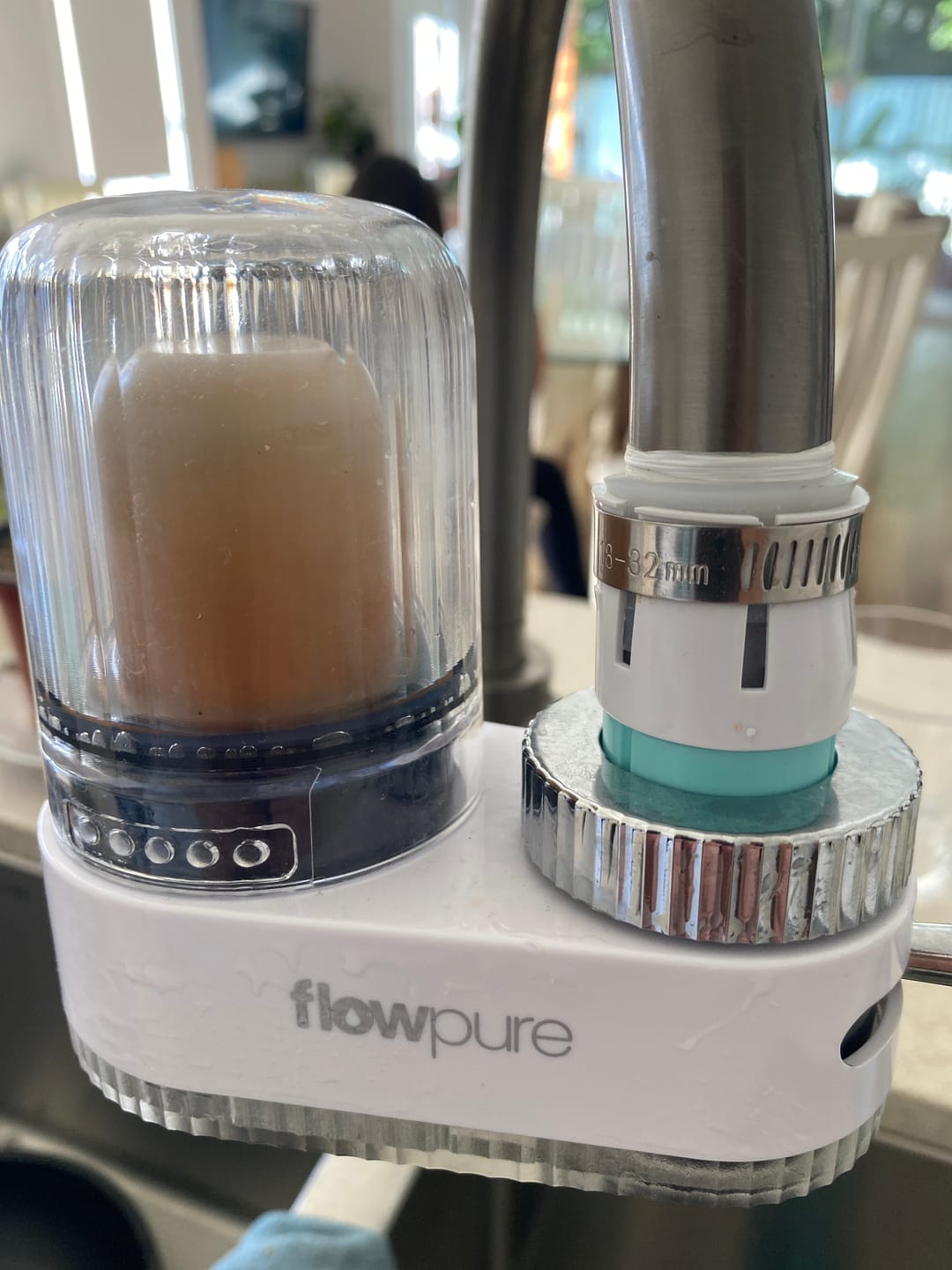
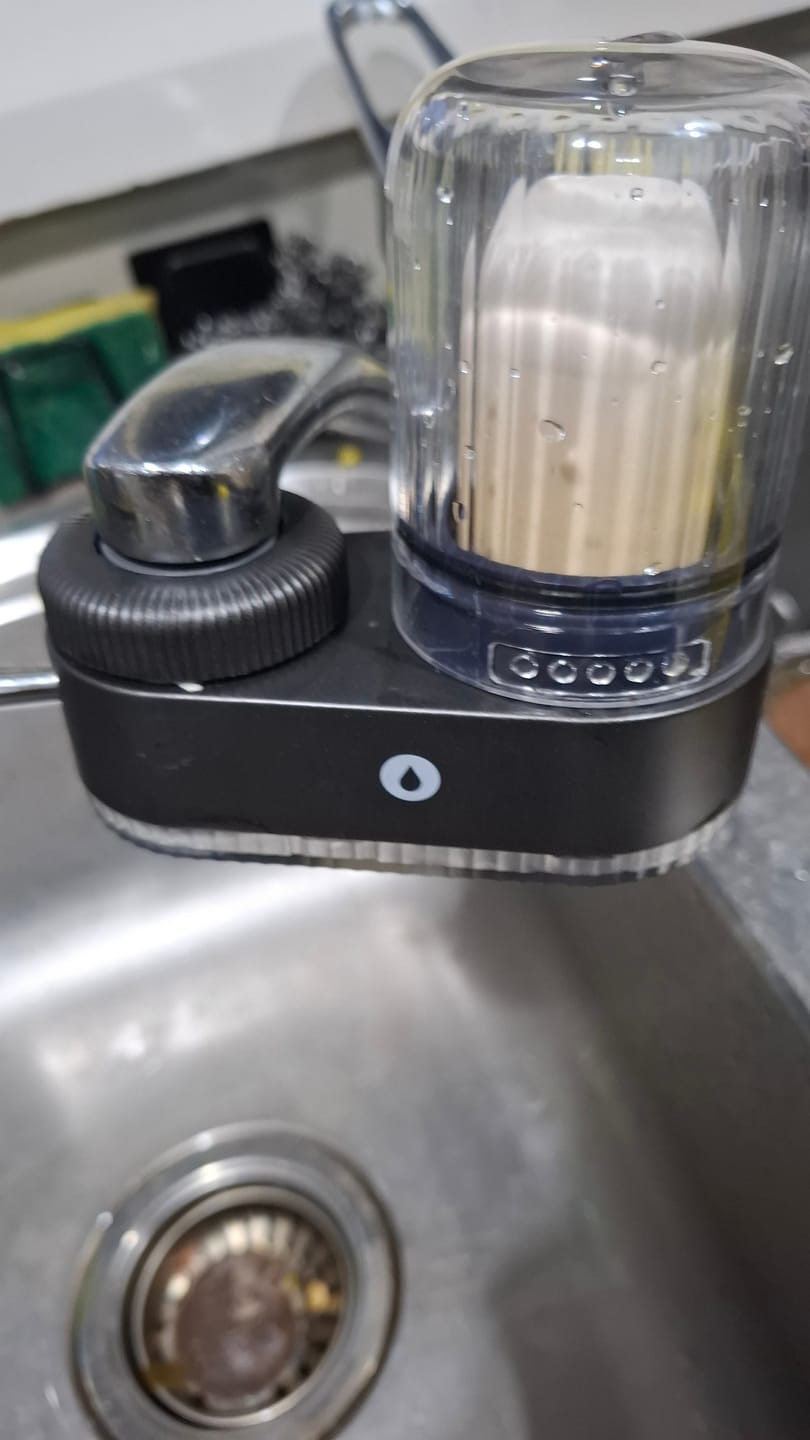
Australia’s water supply undergoes extensive treatment, yet it doesn’t always guarantee the highest drinking quality. Tap water often contains chlorine, fluoride, heavy metals, and sediments from aging pipelines. While these elements meet safety regulations, they can affect taste, odor, and overall purity. In some regions, agricultural runoff and industrial byproducts can further compromise water quality. This has led many households to invest in a tap water filtration system to enhance drinking water safety. A home water purifier helps remove unwanted chemicals and impurities, ensuring a fresher and cleaner supply. Boil water alerts and contamination incidents in certain parts of Australia have highlighted the need for added filtration. Installing an effective water purification system like Flowpure ensures peace of mind and a reliable source of clean, great-tasting drinking water.
Contaminants Found in Australian Tap Water
While Australia upholds strict water quality regulations, contaminants still find their way into household taps due to aging infrastructure, environmental runoff, and water treatment byproducts. Many Australians have experienced water quality issues, leading to a growing reliance on tap water filtration to ensure cleaner, safer drinking water. Below are some examples of regions where contamination has been a concern.
Heavy Metals: Lead and Copper – Perth, WA
In Perth, concerns have been raised over lead contamination in drinking water, particularly in buildings with older plumbing systems. Heavy metals such as lead and copper can enter the water supply through corroding pipes, posing potential health risks. Lead exposure is especially harmful to children, affecting brain development and cognitive function, while copper contamination can cause digestive discomfort and, in prolonged cases, liver issues.
Chlorine and Disinfection Byproducts – Sydney, NSW
Sydney’s water supply is treated with chlorine to control bacterial growth, but high levels have been known to create strong odors and alter the taste of drinking water. Additionally, chlorine can react with natural organic matter, forming disinfection byproducts like trihalomethanes (THMs), which have been associated with potential long-term health risks. This has prompted concerns over the quality of drinking water in homes and the need for additional purification.
Agricultural Runoff and Pesticides – Murray-Darling Basin, VIC/NSW/QLD/SA
The Murray-Darling Basin, a key agricultural hub, has been impacted by pesticide and nitrate contamination due to extensive farming activities. Runoff from fertilizers and chemicals can make its way into local water supplies, raising concerns about the potential effects on human health. High nitrate levels in drinking water have been linked to oxygen deficiency in infants, while long-term exposure to pesticides may pose additional risks.
Microbial Contamination – Brisbane, QLD
In Brisbane, microbial contamination has led to boil water alerts in certain areas due to the detection of bacteria such as E. coli. The presence of harmful microorganisms in drinking water can cause gastrointestinal illnesses, particularly affecting young children, the elderly, and those with weakened immune systems. These incidents have reinforced the need for households to take extra precautions when consuming tap water.
Water quality can vary significantly across different regions, making tap water filtration an important step in safeguarding health and ensuring a clean drinking supply.
Health and Taste Benefits of Water Filtration
Many Australians are turning to tap water filtration not only to improve water quality but also to enhance their overall health and daily drinking experience. While tap water undergoes treatment before reaching households, lingering chemicals, sediments, and contaminants can impact both safety and taste.
One of the most noticeable benefits of filtered tap water is the removal of chlorine and other additives that can create an unpleasant odor or aftertaste. By reducing these elements, drinking water becomes fresher, cleaner, and more enjoyable.
Beyond taste, water filtration systems can play a crucial role in minimizing exposure to harmful substances such as heavy metals, pesticides, and microbial contaminants. Long-term consumption of these impurities has been linked to various health concerns, including digestive discomfort, skin irritation, and potential long-term risks.
By ensuring that tap water is free from unwanted pollutants, households can experience not only better-tasting water but also peace of mind in knowing that their drinking supply supports overall well-being.